Mesa Verde
August 13, 2016
We arrived to the campground at Mesa Verde pretty late at night. Going into the park, there’s a pretty steep road climb and more than once I wasn’t sure if we had passed the campground or not.
Thankfully we didn’t miss them and wandered around a bit to find our campsite. We had almost our pick of the entire campground. Most people travel in and don’t stay overnight here, so there were only a few campers and a pretty big campground. We picked a spot away from as many people as we could and set up camp. Once we were done, JA went to get ready for the night while I opened a couple beers and sat on the picnic table to recover from all the driving. It was beautiful and peaceful, with lots of stars. JA joined me at some point and we enjoyed the silence – a stunning thing for a NP campground. At some point, a large animal started rustling in the treeline near our tent and I, having just been through Grizzly country, had bears on the mind and nearly bolted for the car. It was just a deer and her fawn, completely unconcerned that we were people. At that point, I reasoned it was time for bed.
At Mesa Verde, you have to pick up tickets at the Visitor Center, at the entrance to the park, if you want to see any of the cliff dwellings up close. Then you drive through most of the park to the back areas. JA and I are pretty weary but happy to do this as our last part of this trip. It’s easy, hardly any hiking, and mostly just looking at things.
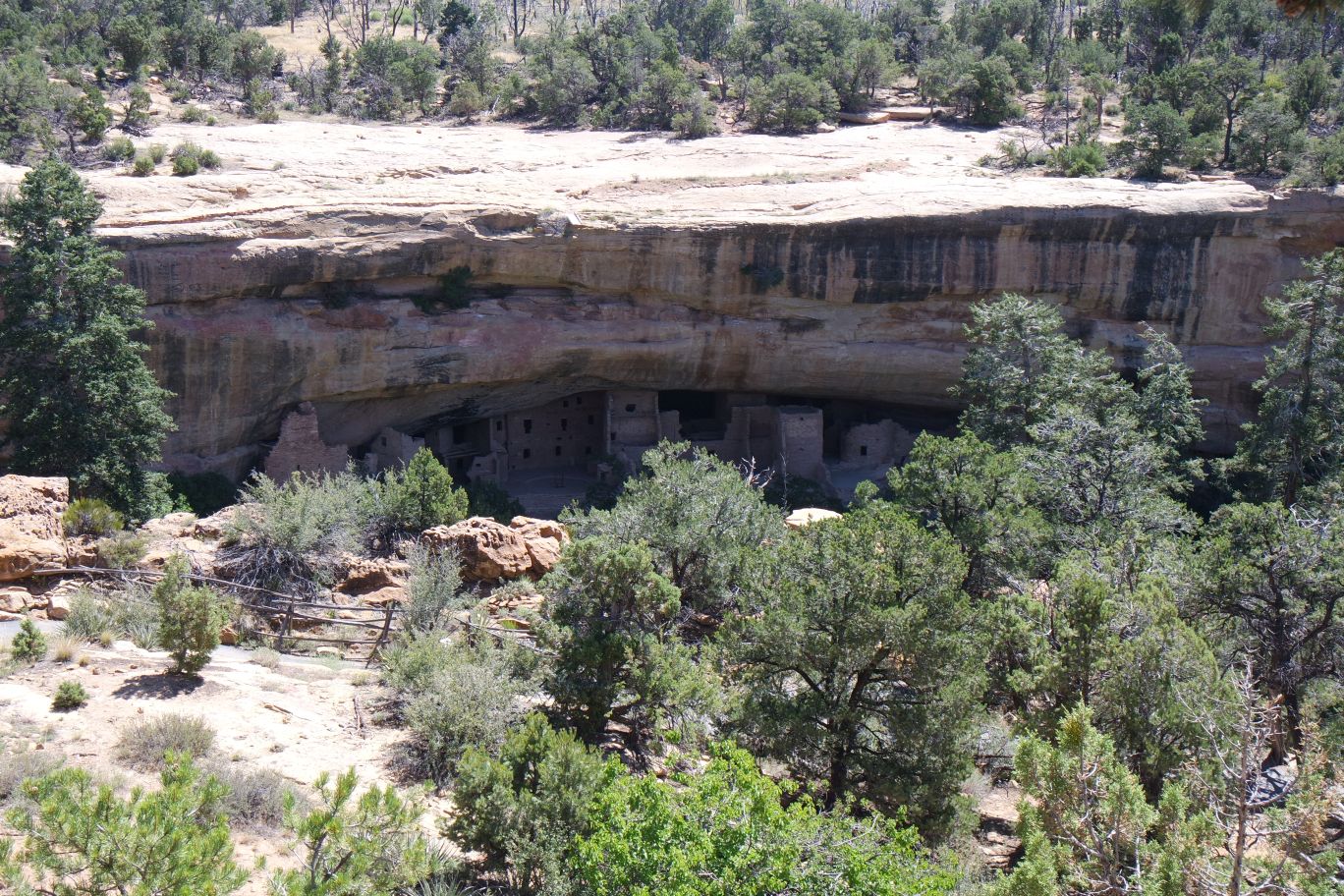
We drove to the waiting area of the park to look around. As a kid, I remember we were able to walk down to this and see it up close, with some park rangers keeping us from touching things. Unfortunately, visitors are no longer allowed down there. In fact, this whole cliff dwelling might be crushed by the rock above it in the future. They had a major chunk of the roof fall off recently and have closed it in the hopes that some clever engineering can save the ruins below.
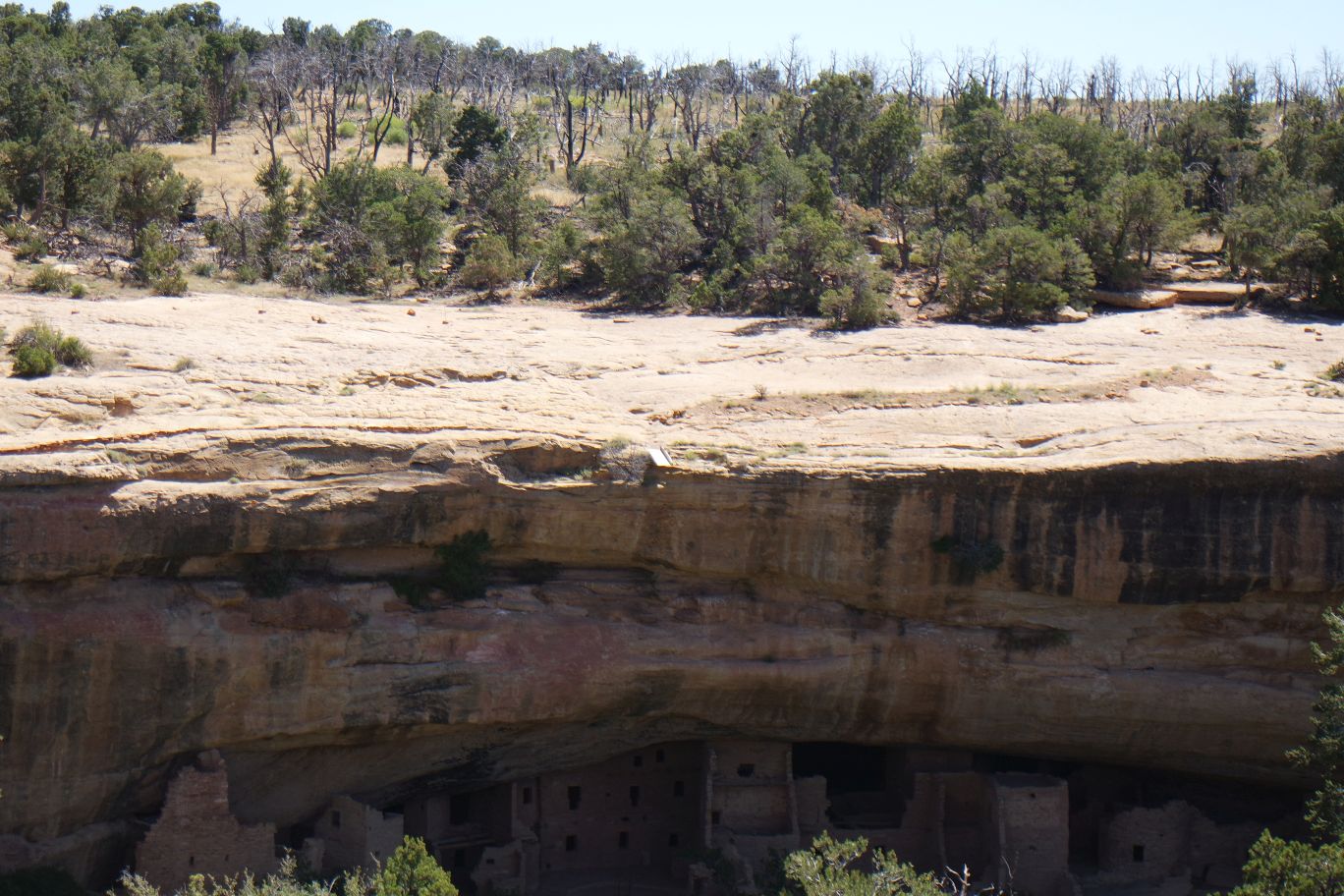
The ‘diving board’ in this picture is actually there to help with water run off, which is what’s causing the damage to the rock above. It’s a natural thing, but it’d be a shame to lose the cliff dwellings below.
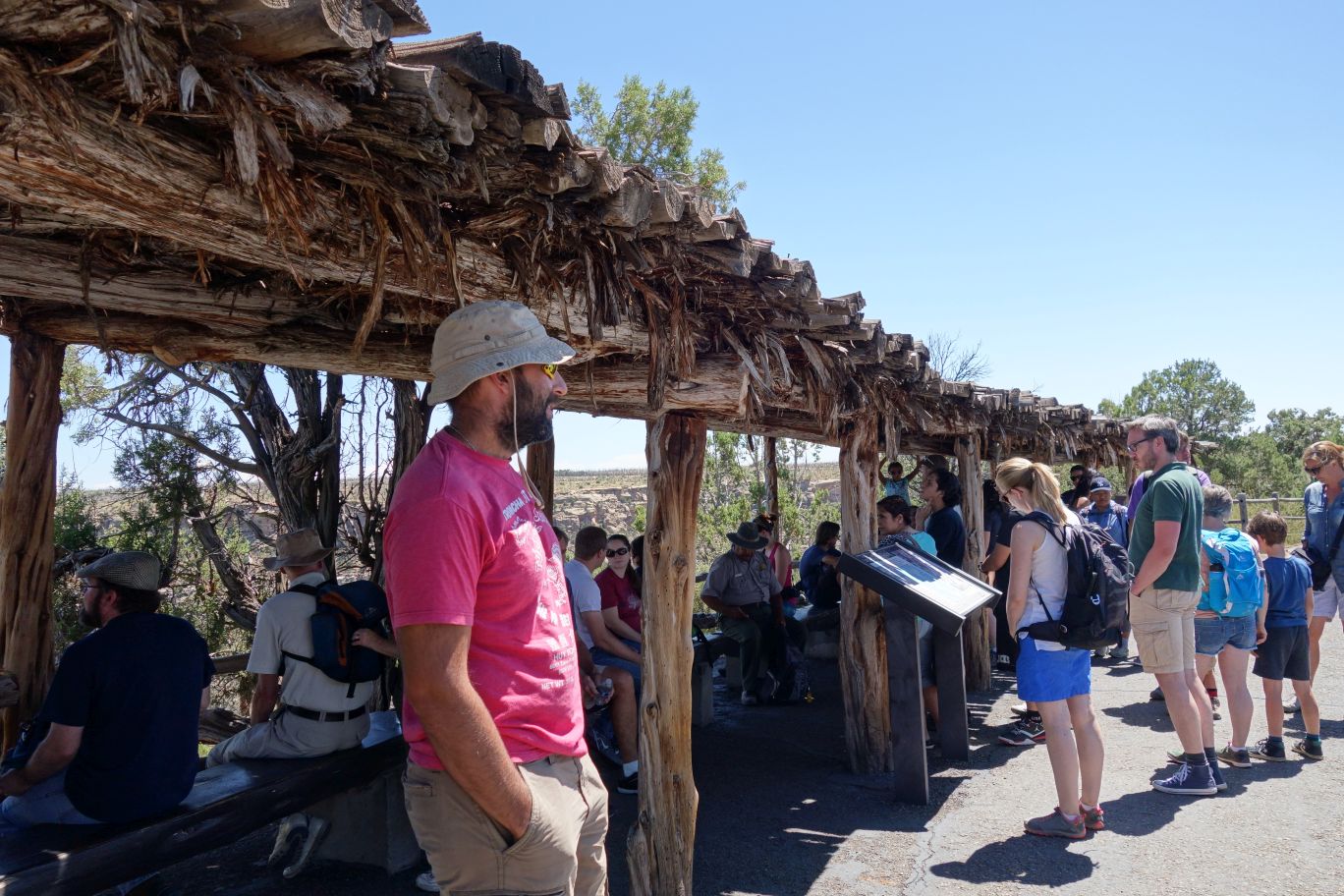
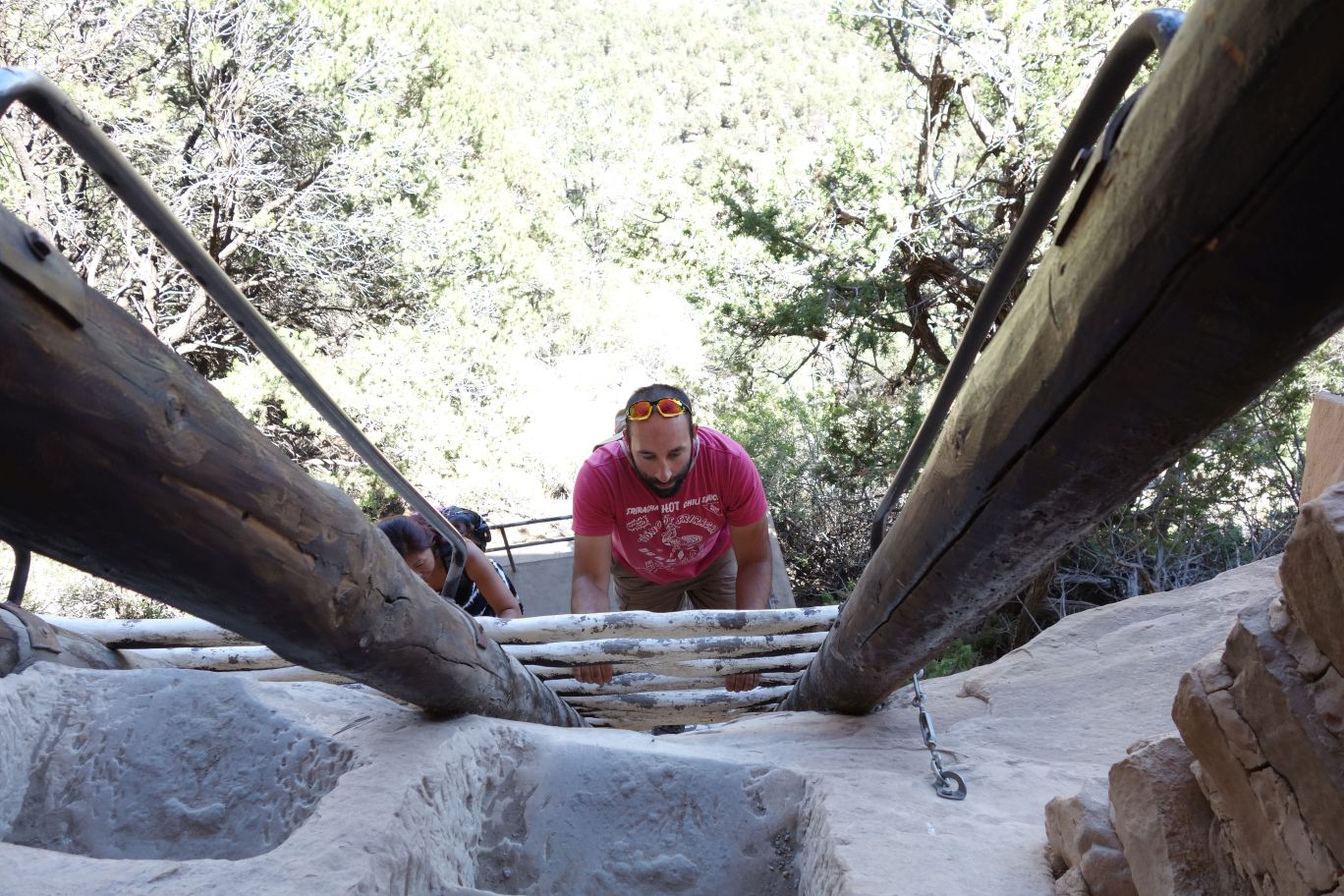
This particular cliff dwelling comes with two warnings: there is a large ladder you have to climb and there is an area that you have to squeeze through. They actually have a replica of the area you have to squeeze through at the visitor center so people can make sure that they fit.
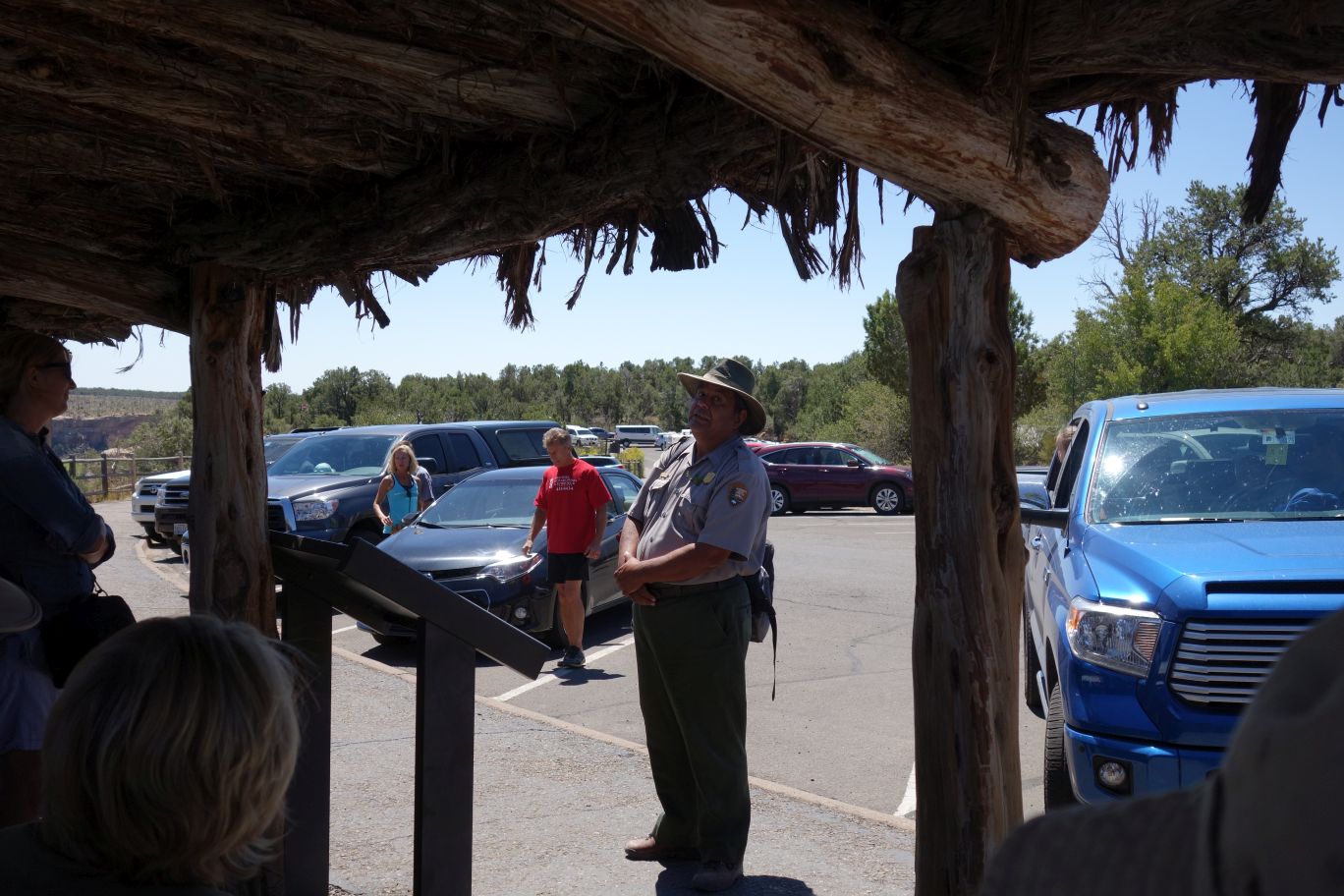
This was our tour guide for this particular dwelling. He was a good story teller and definitely a good guide. He was also very sarcastic and I loved that about him. It was a hot day and he had a spray bottle with him. If you answered questions correctly, you were rewarded with a ‘refreshing spritz’ from the spray bottle, which was pretty funny to watch. JA was one of these lucky people, but I was too slow in getting the camera out.
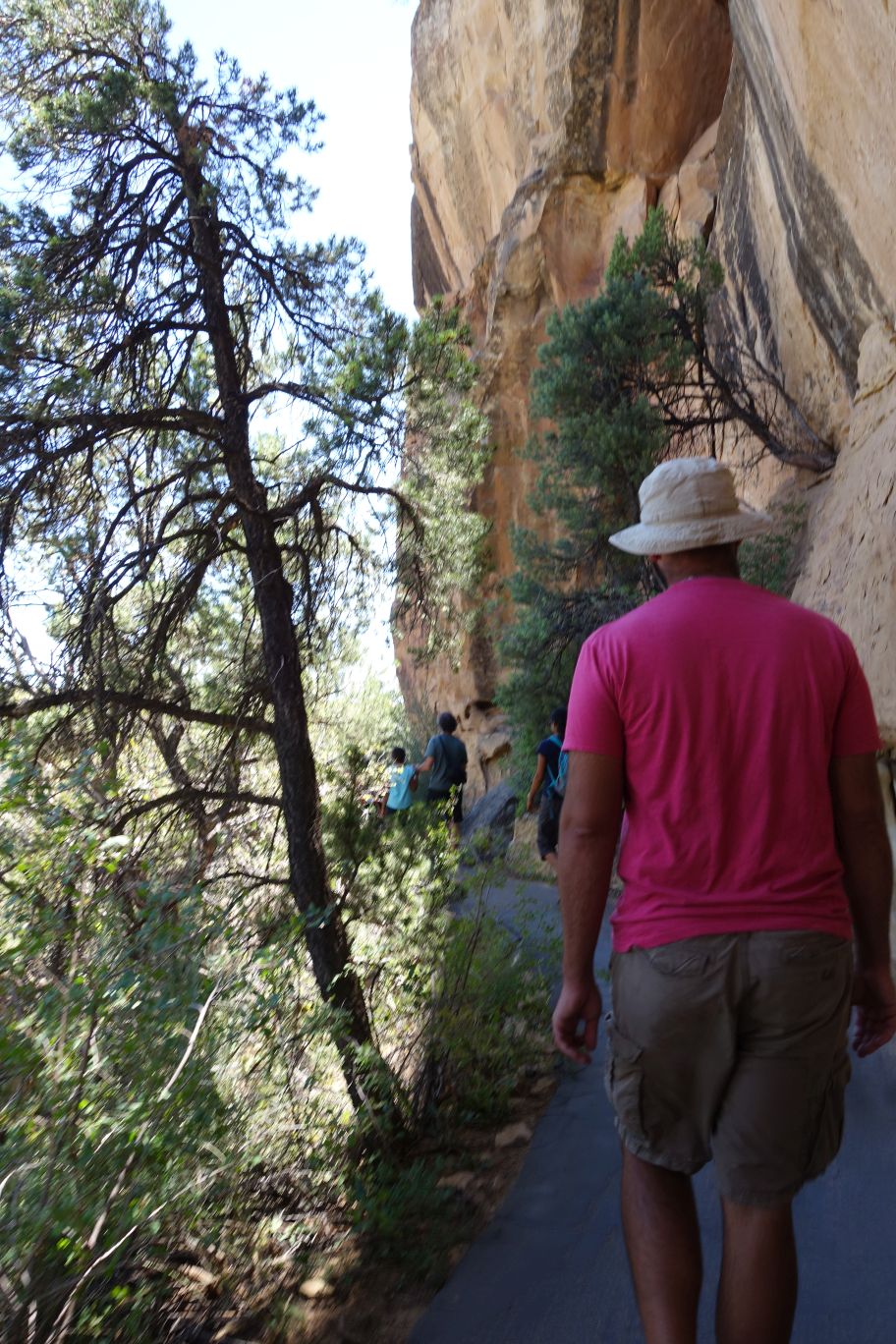
So JA had been to the Moab area before. I’ve been here before. I love this place. Long before any Europeans ‘discovered’ America, the Anasazi were living in buildings set up in cliffs. They had to haul any building materials they need up or down to the cliffside and usually only had hand-holds carved into the rock to get out.
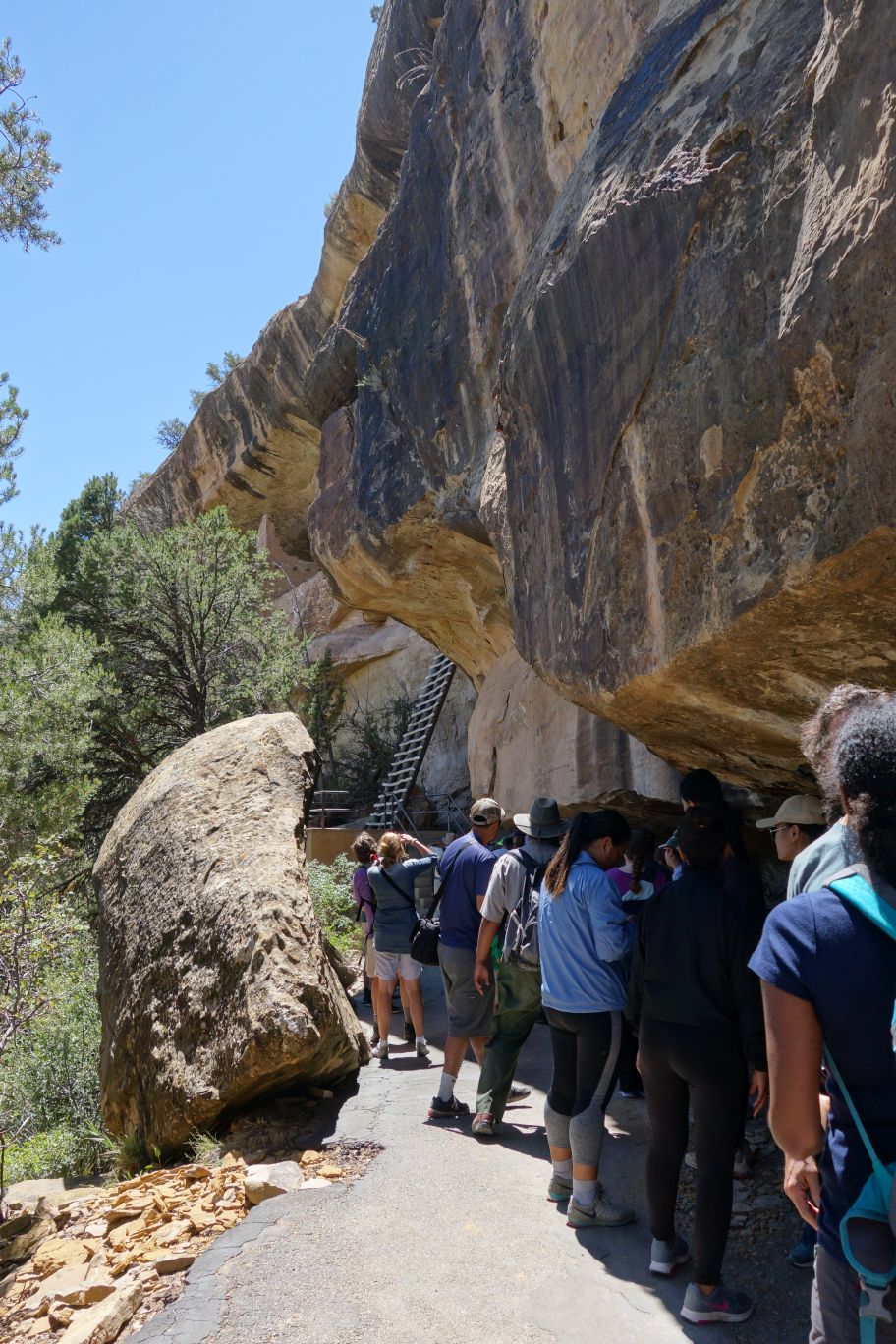
Nowadays, we’ve got cement paths and ladders to get to the cliff dwellings. JA and I decided we would be at the end of the line because it’d be cool to take pictures of the places without people in them.

The infamous ladder. It’s actually not that terrible. Very structurally sound.
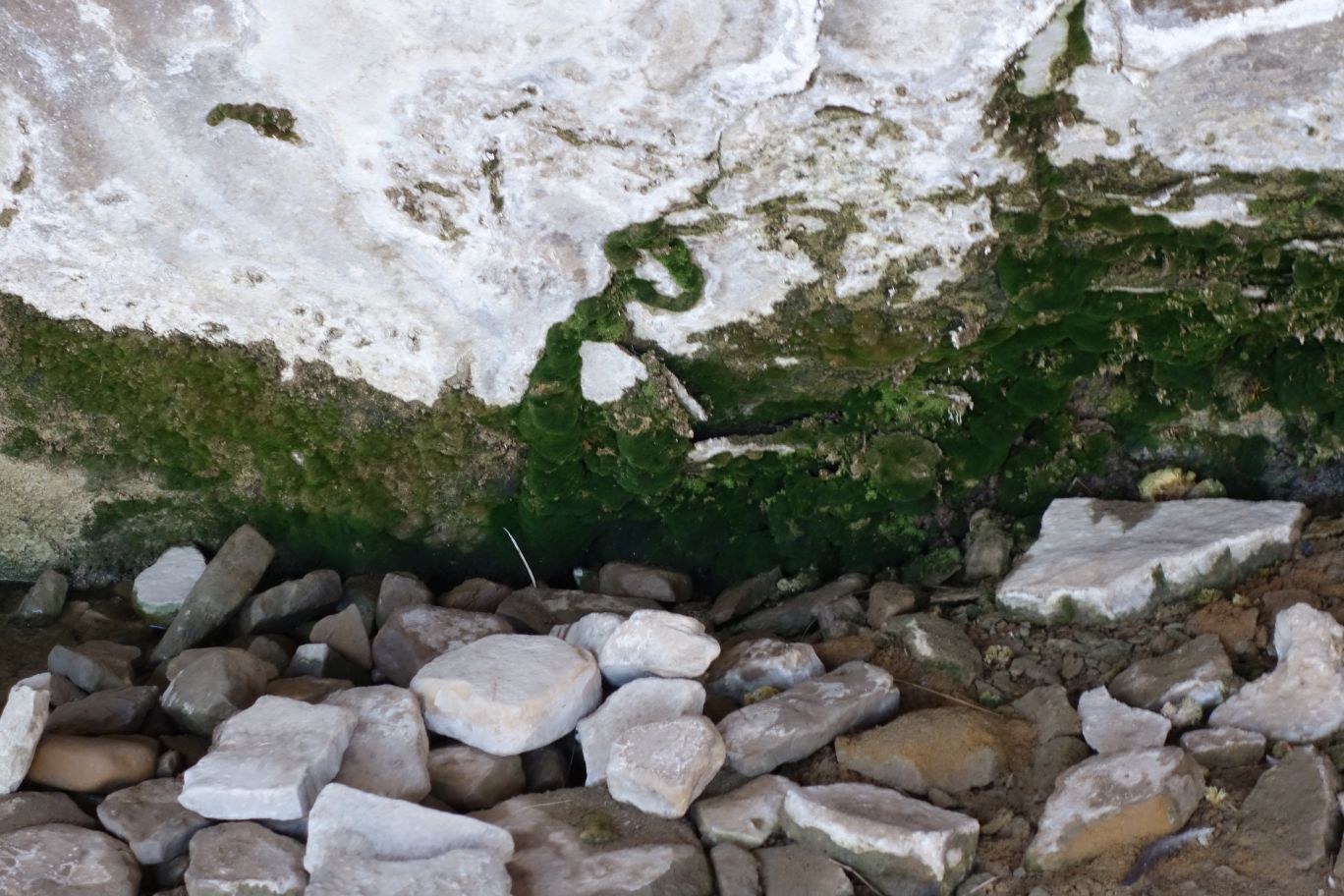
It’s been a wet year out here. Water is creeping in through the rock and forming areas like this, covered in moss.

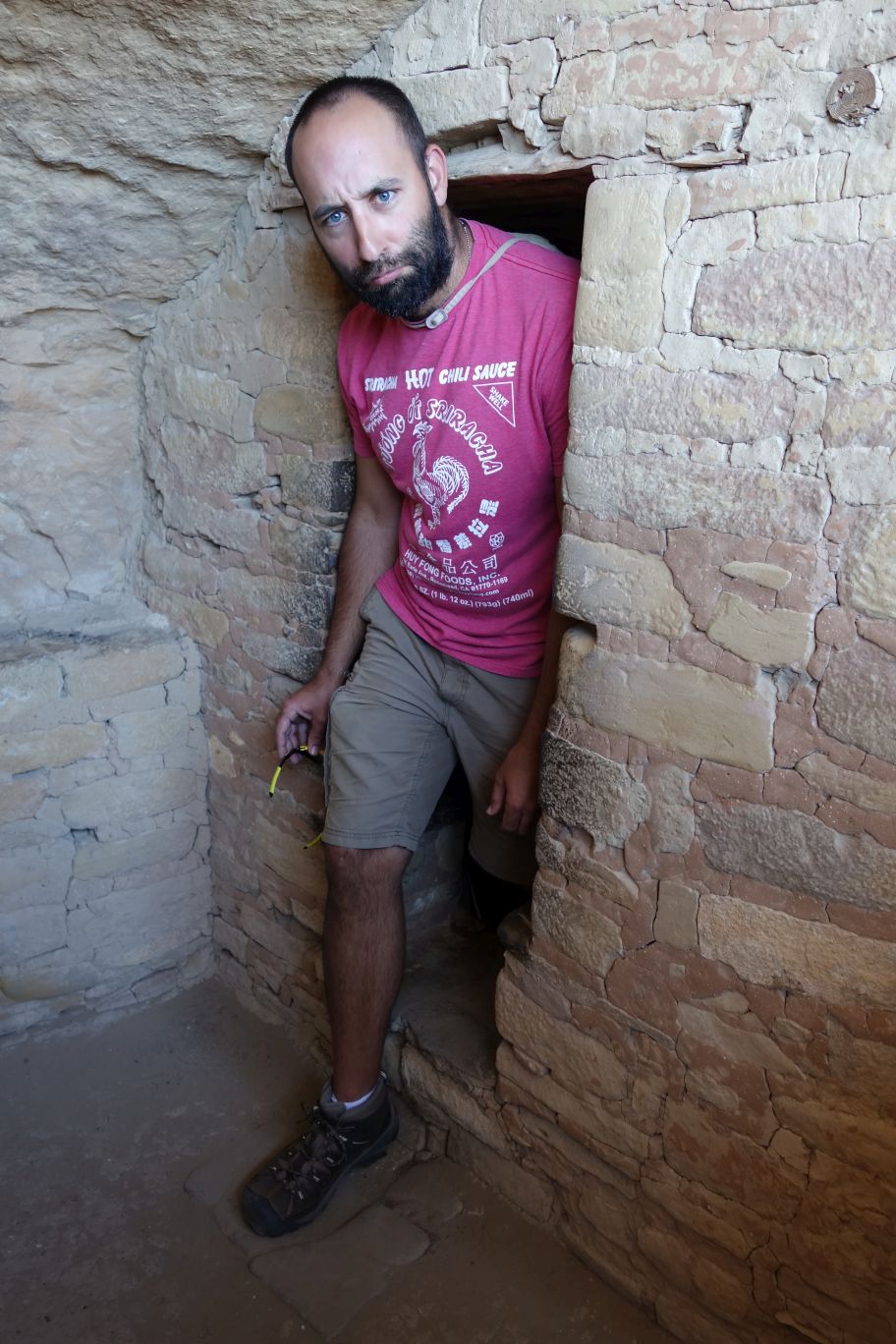
Yep! You get to walk through parts of it! These structures have been partially restored, as needed, by the park rangers. JA obviously isn’t the right height for cliff dwelling.
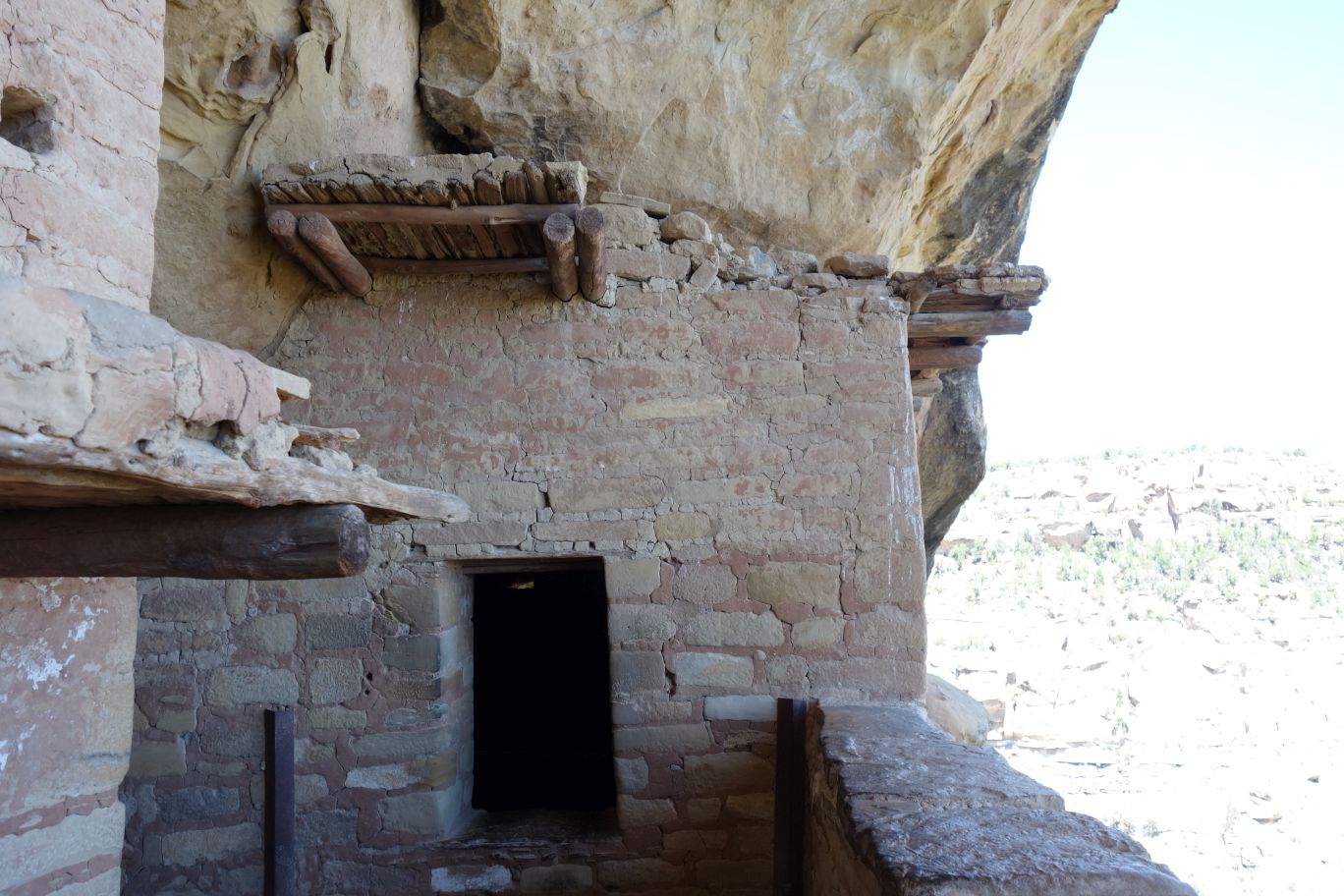
This is where the pueblo-styling of the SW comes from, the ancestors of the Pueblo Tribes.
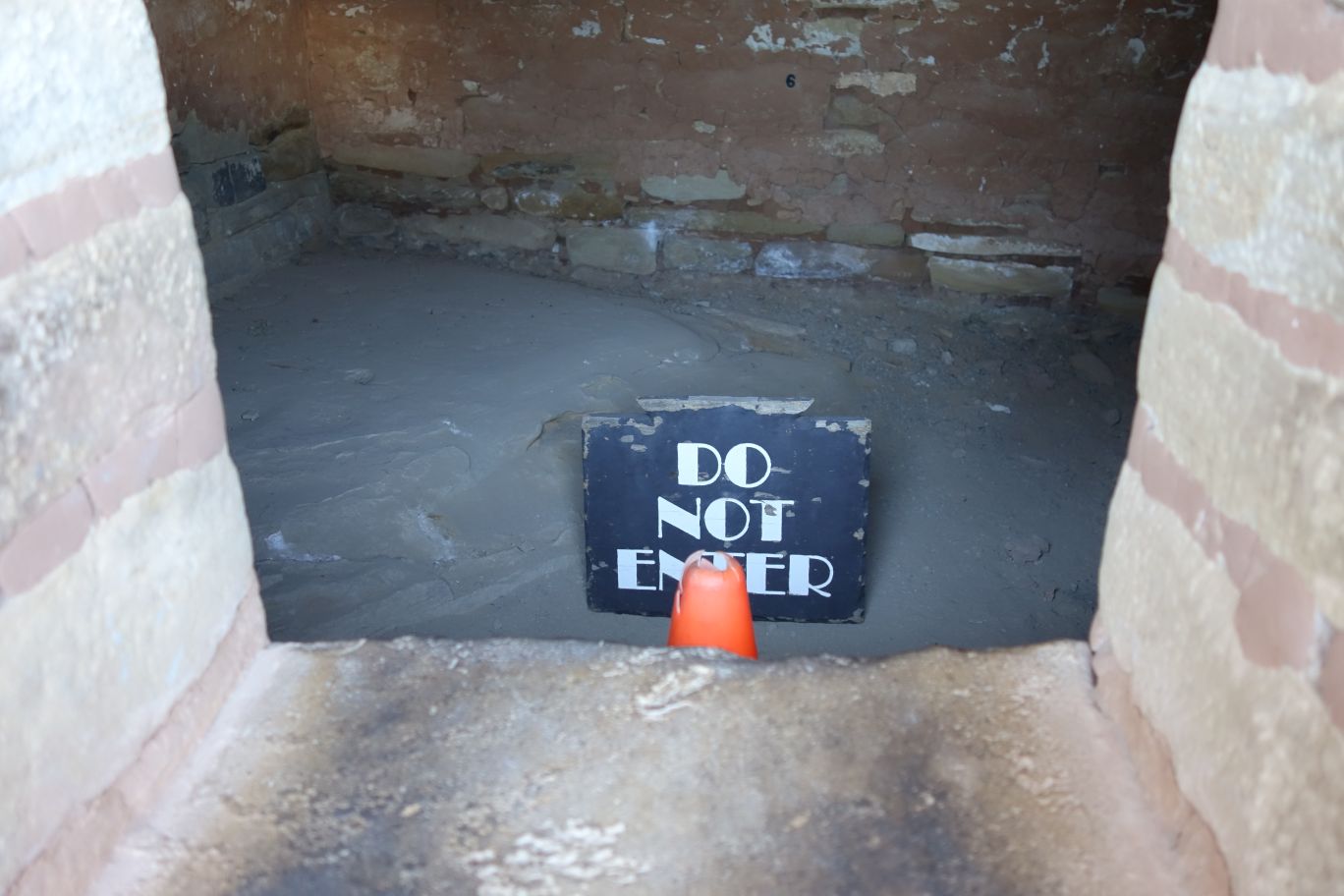
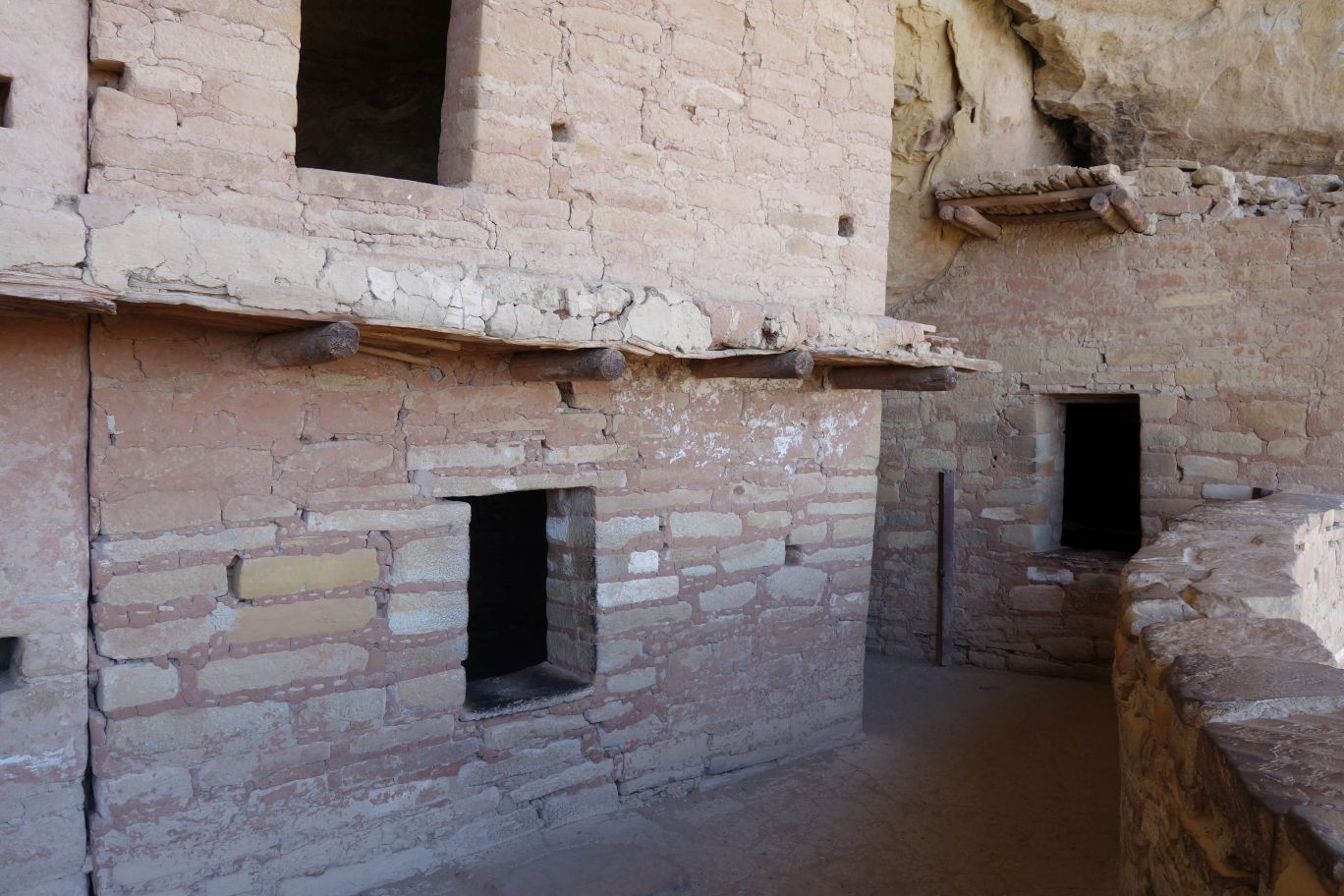
They ask people to not touch anything because they want to preserve things as much as possible, with as little intervention as possible. Unfortunately people suck and the wall to the right in this picture is completely rebuilt with modern means because the original wall was worn down by people constantly touching it.
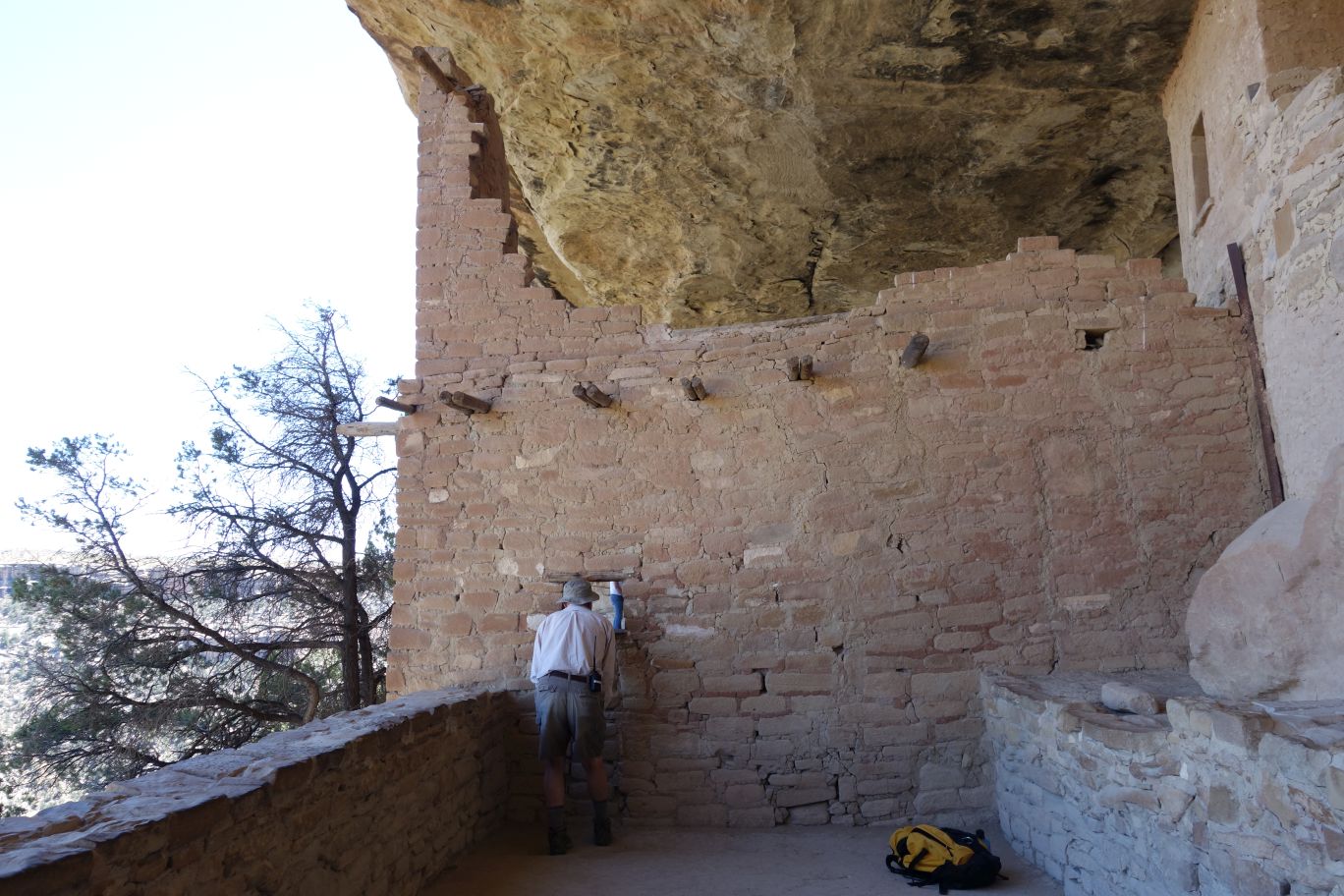
These housing structures were not just small, simple things. They created actual buildings, with rooms, windows, doors, storage areas, chimneys, etc.
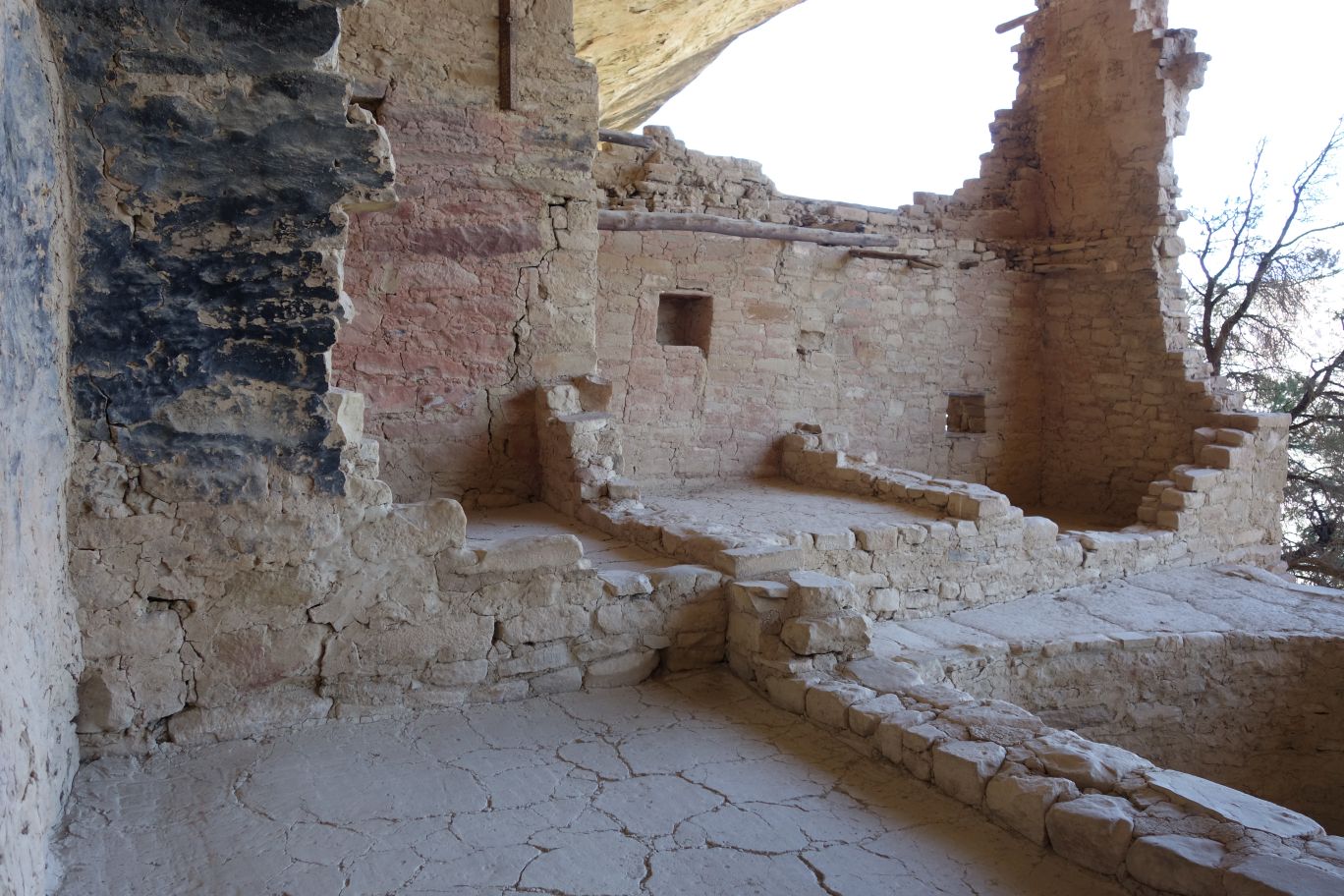
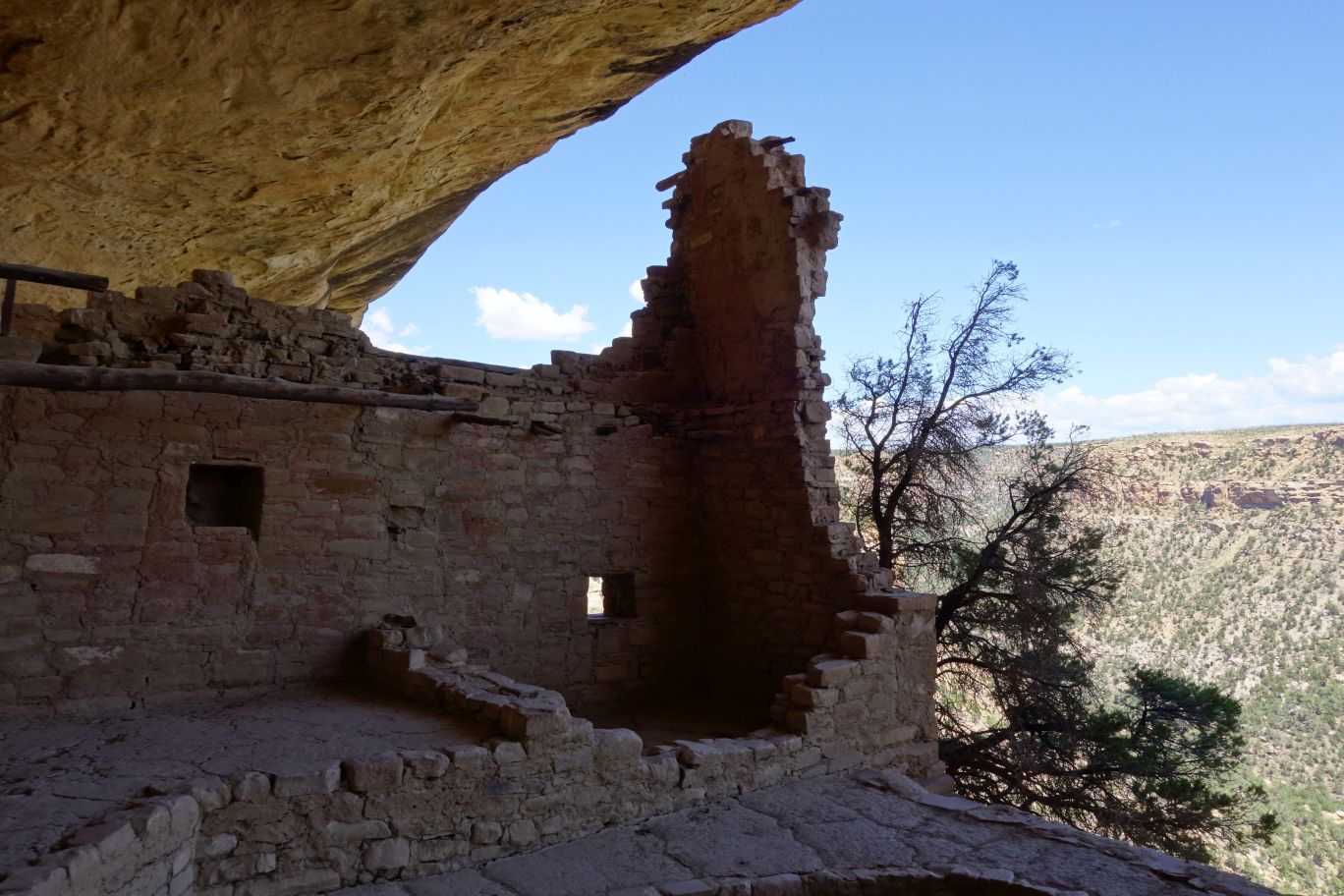

This is probably a kiva – a place for people to gather for meetings, religious rituals, and so forth. Usually they had a roof and you’d climb down a ladder through an opening on the roof.
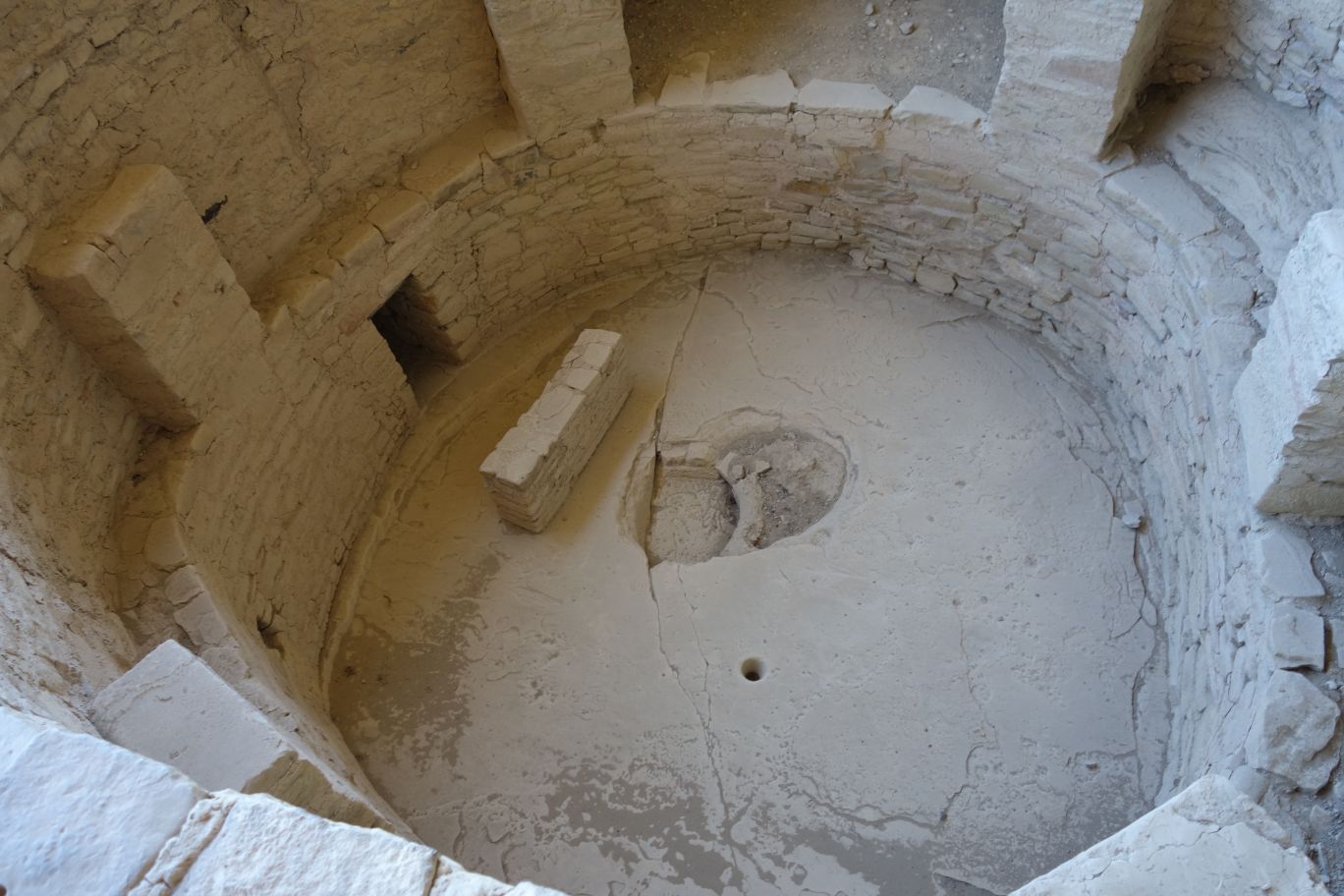
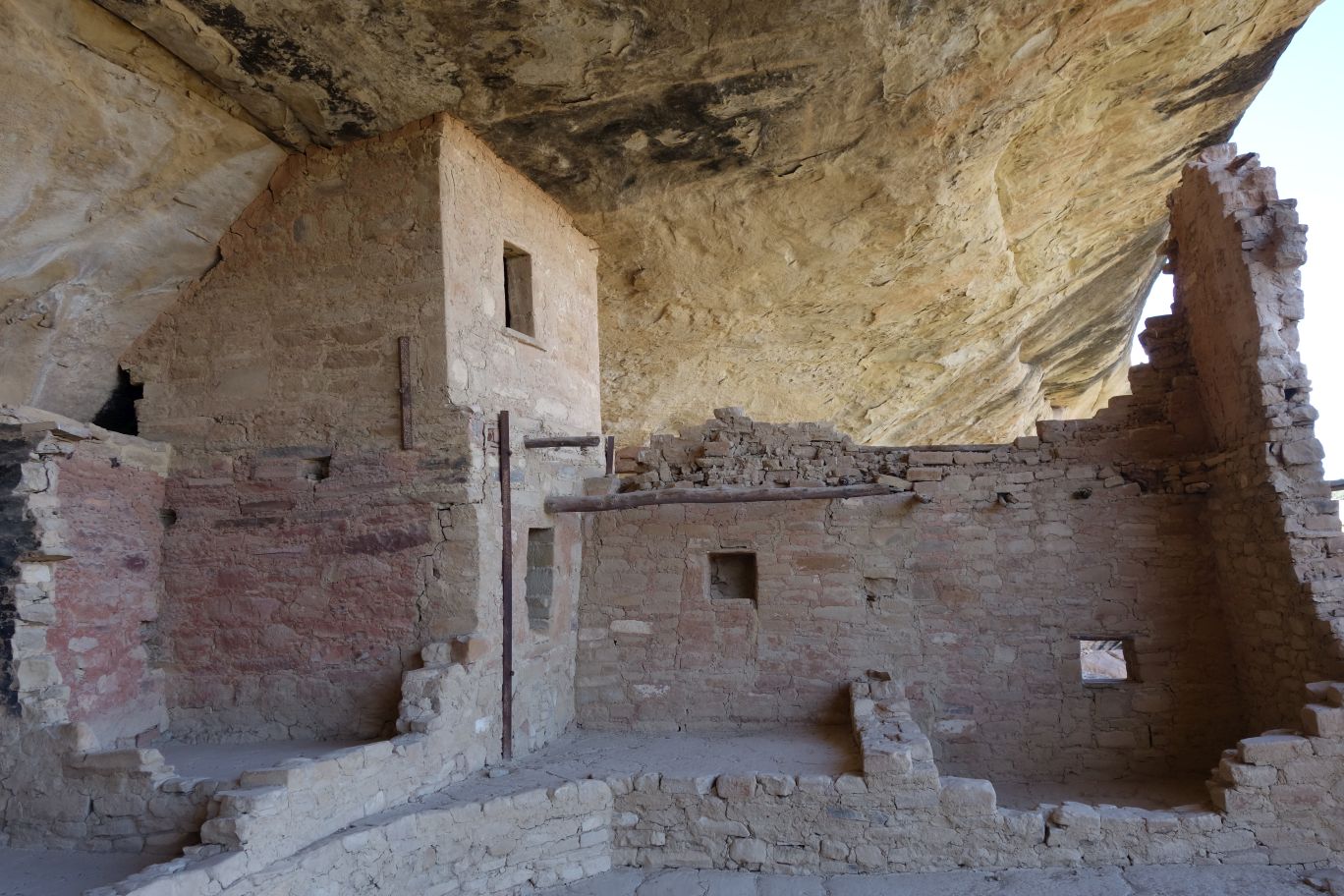
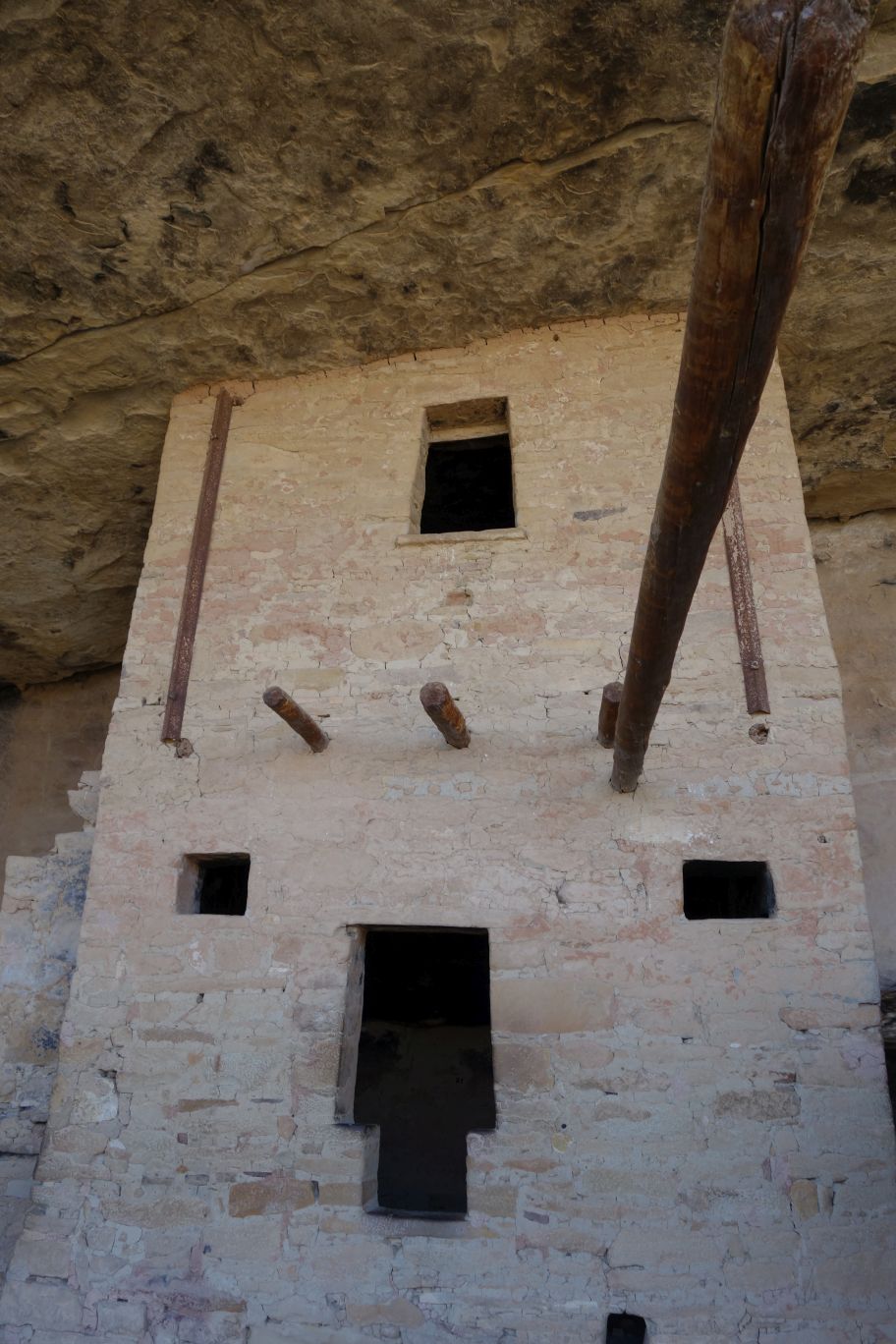
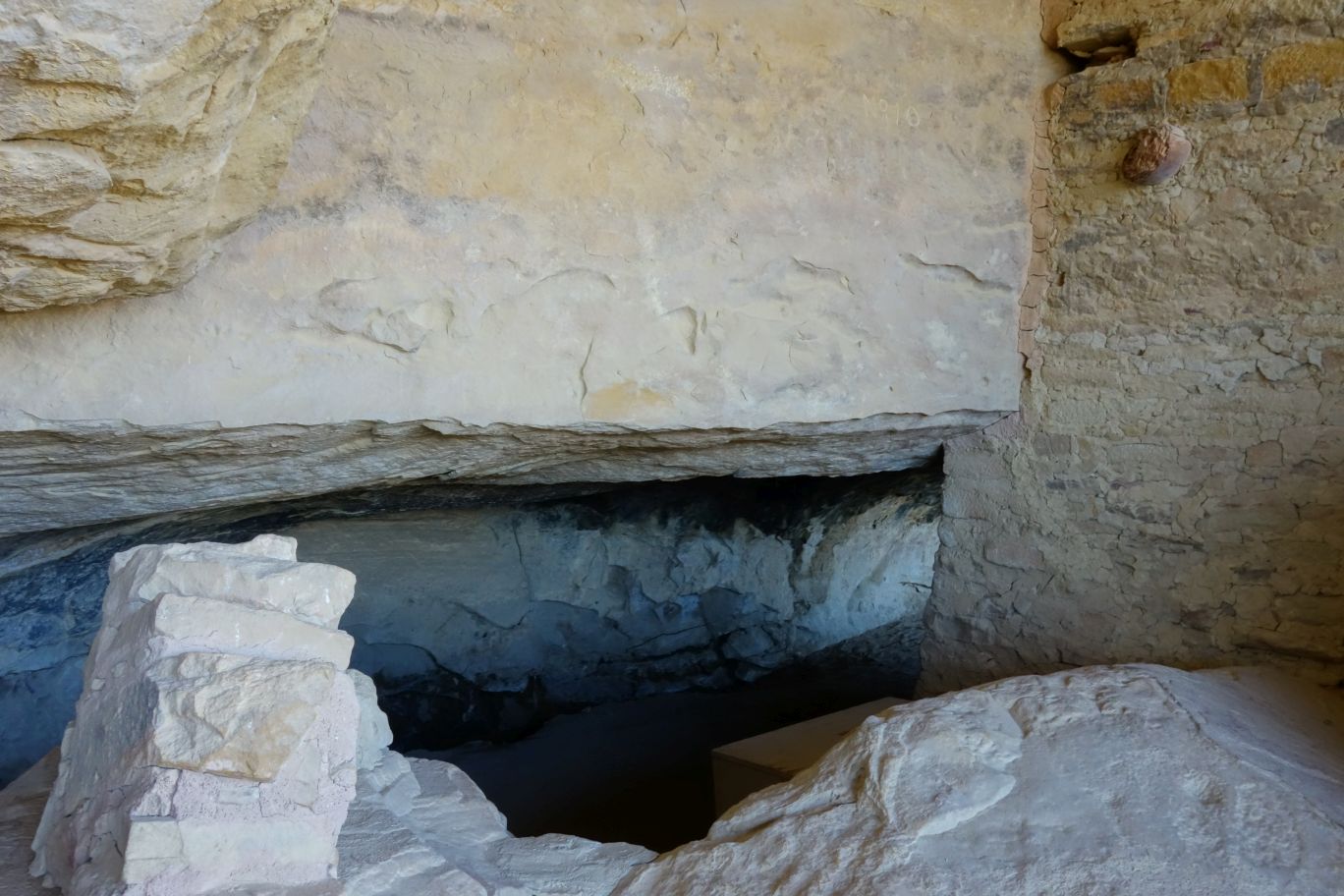
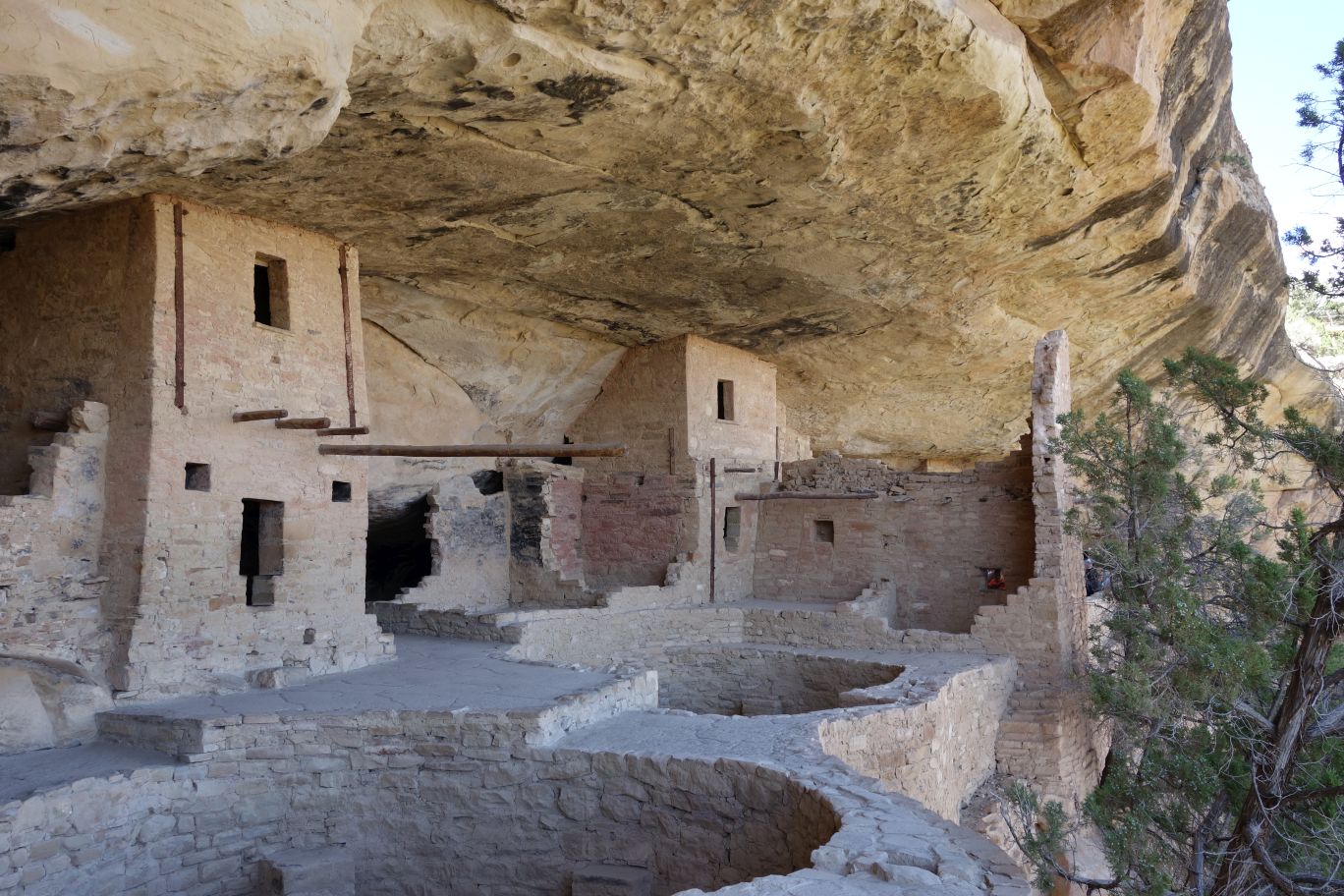
Built right into the rock wall.
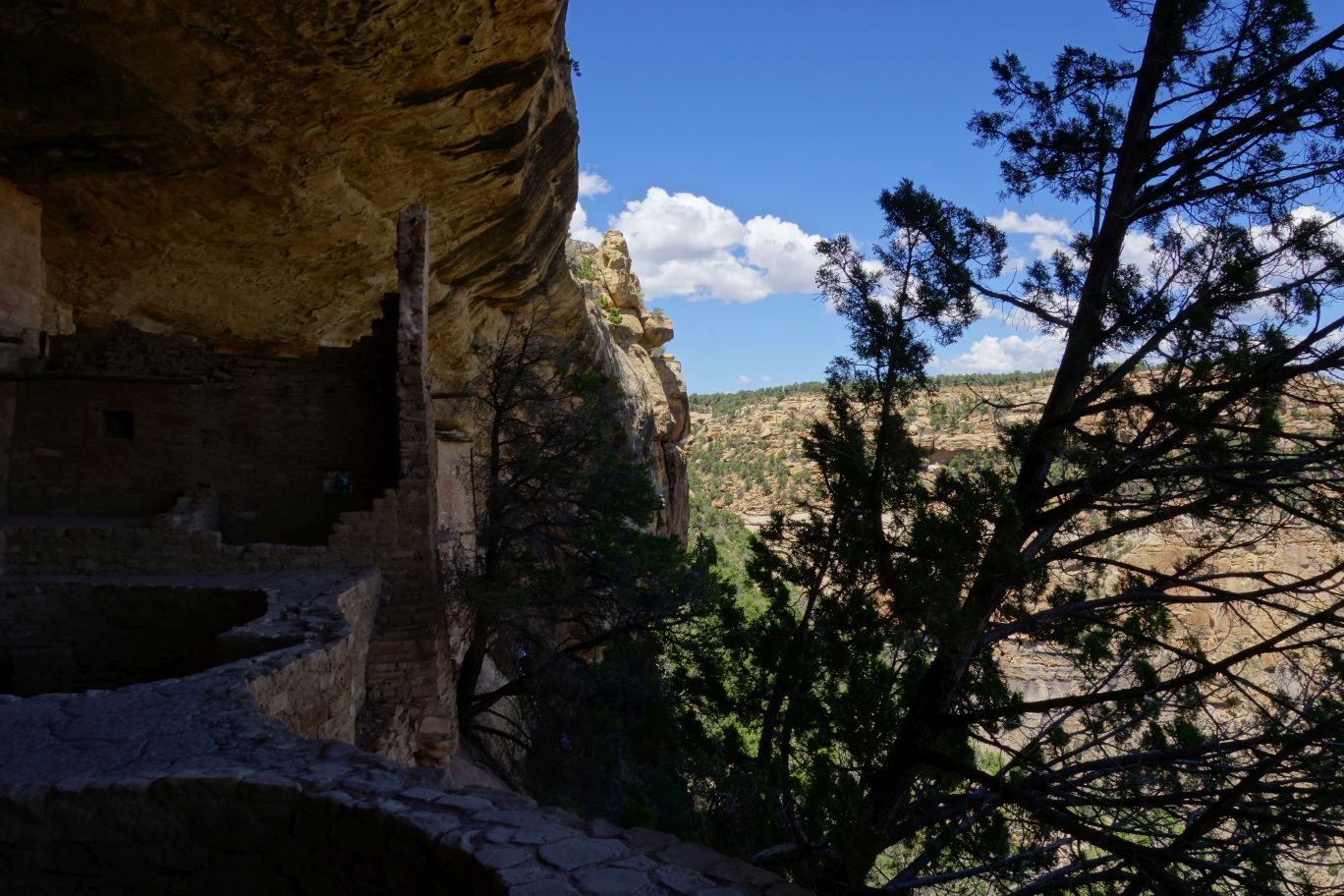
That had to be an amazing way to wake up in the morning.
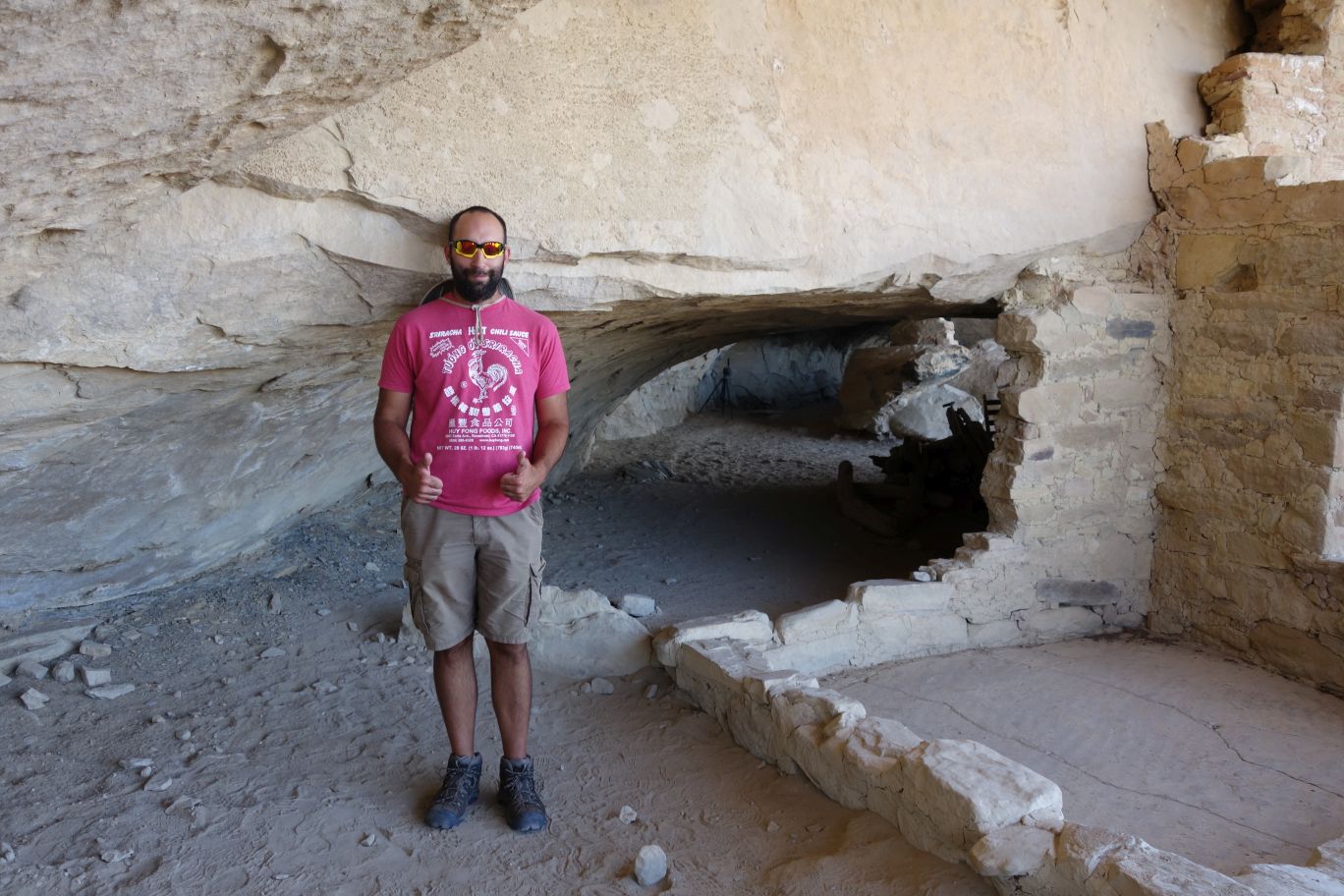
Once again, JA was not meant to dwell in cliffs.
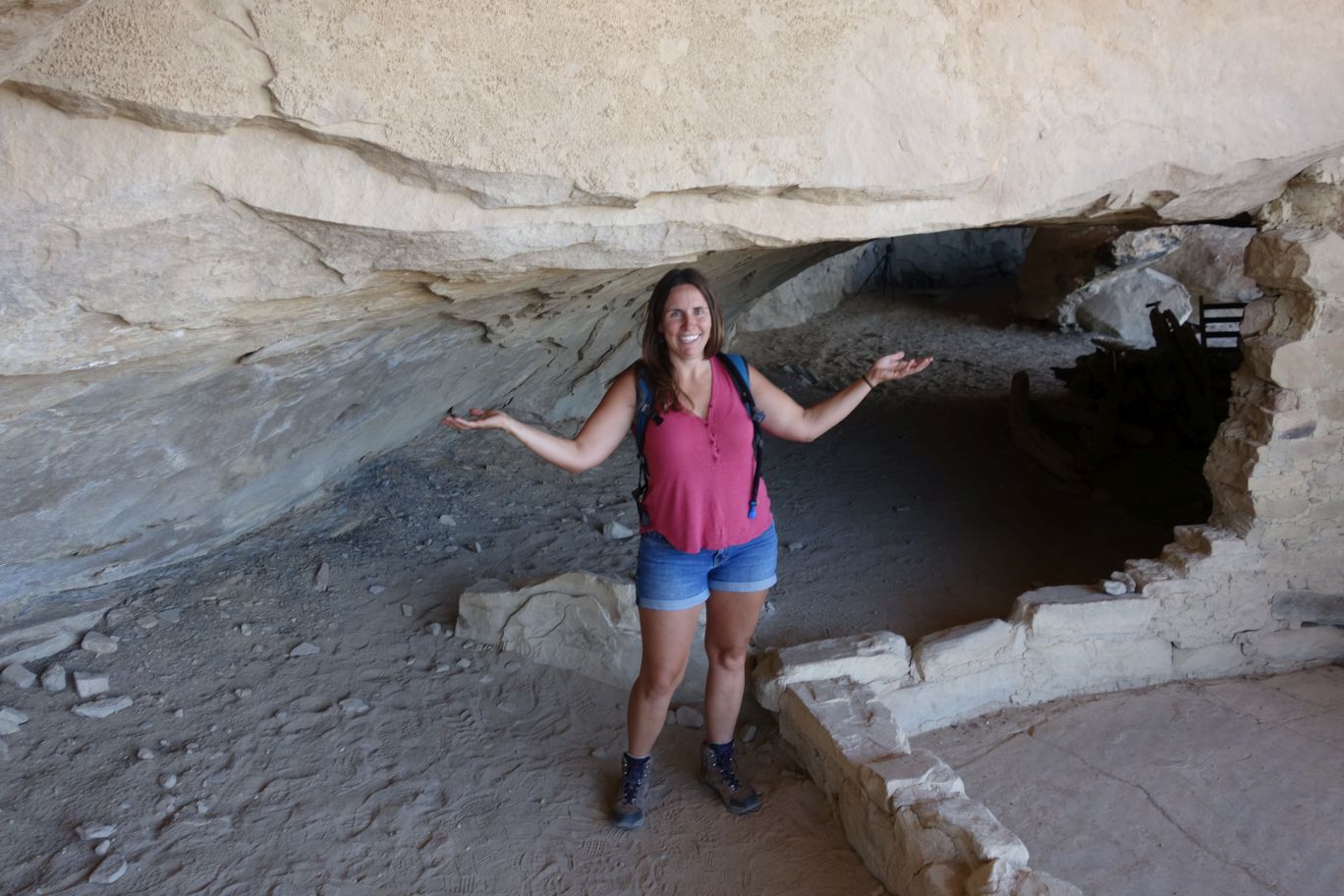
Whereas I am the perfect size!

Uvula.

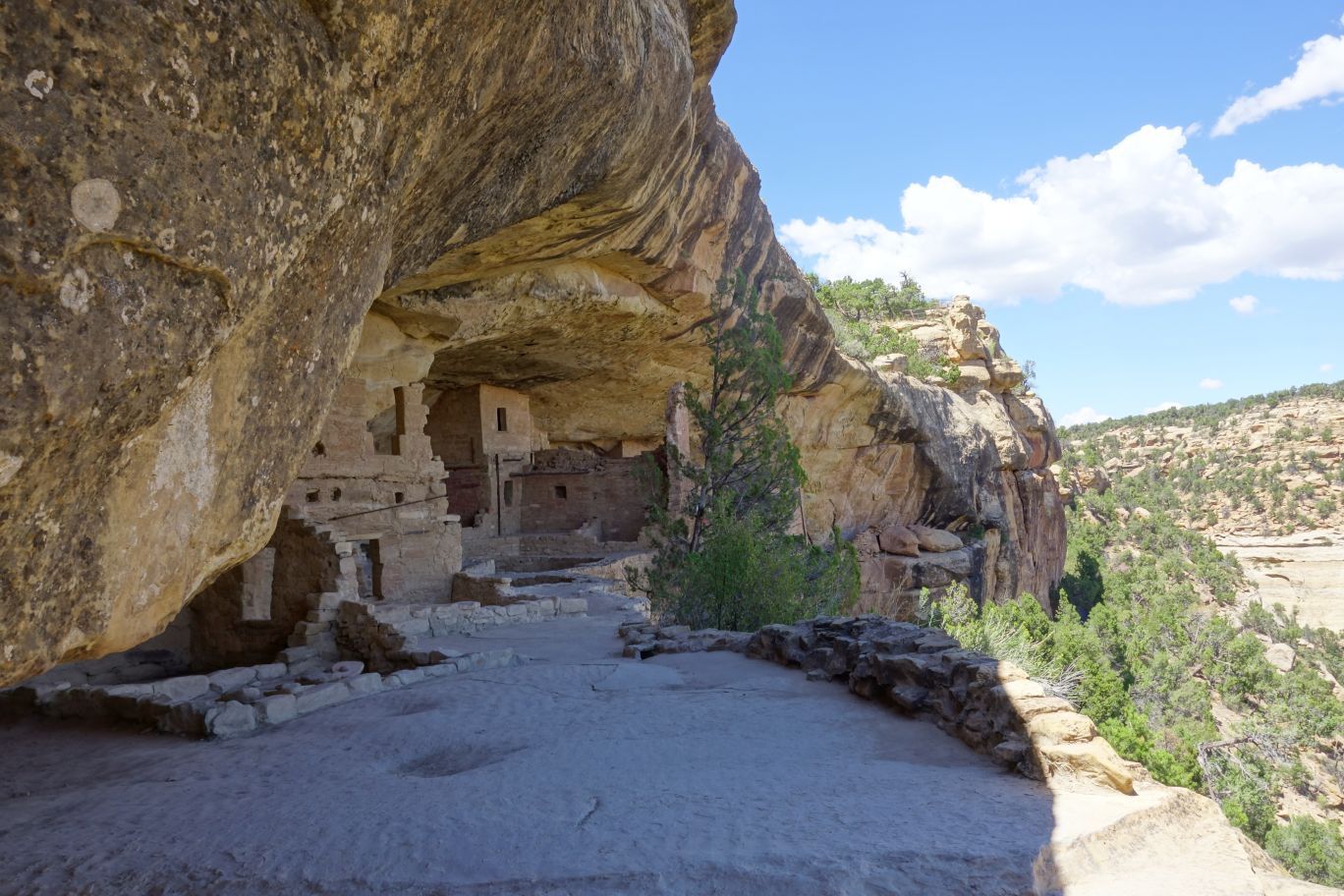
Yep. Still as awesome as I remember.
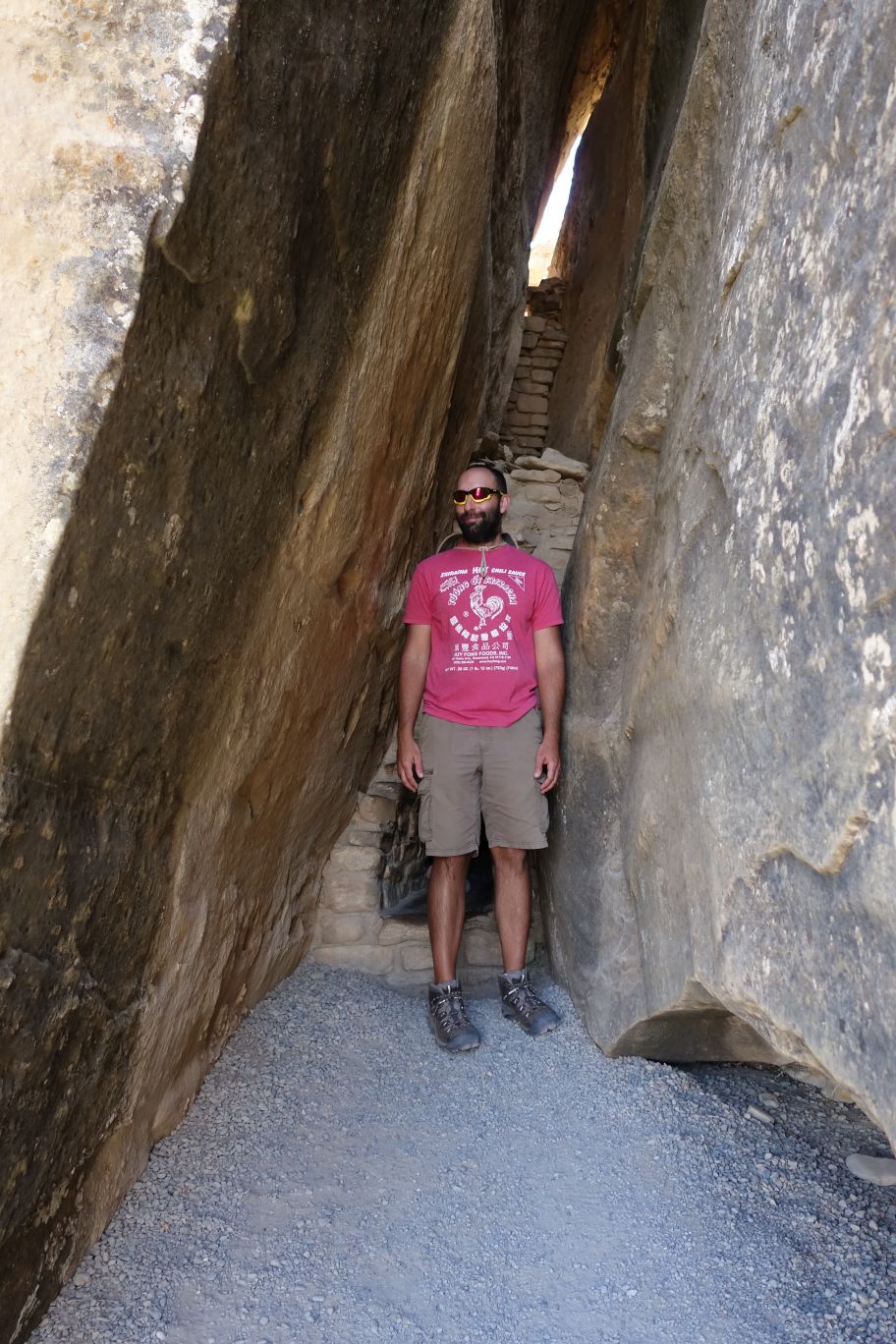
This is my favorite part. I’ve been looking forward to this the whole time. This is the tiny crawl space to get out of here. JA goes first…
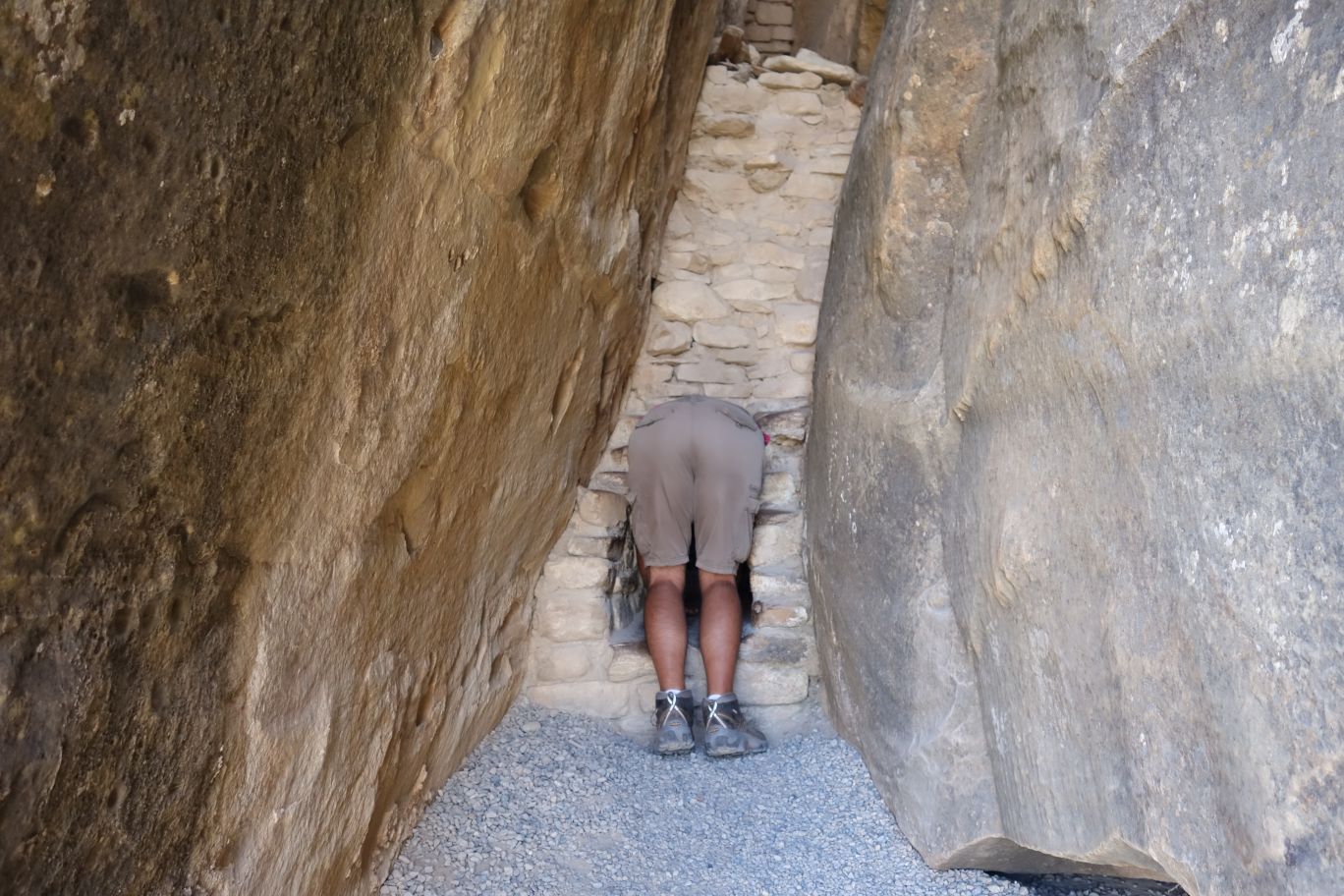
…and doesn’t quite fit. His hips got stuck and he had to twist around to get in. And yes, I have a ton of pictures of this.

He finally squeezes himself through and had to army-crawl/twist/shuffle to get to the other side.
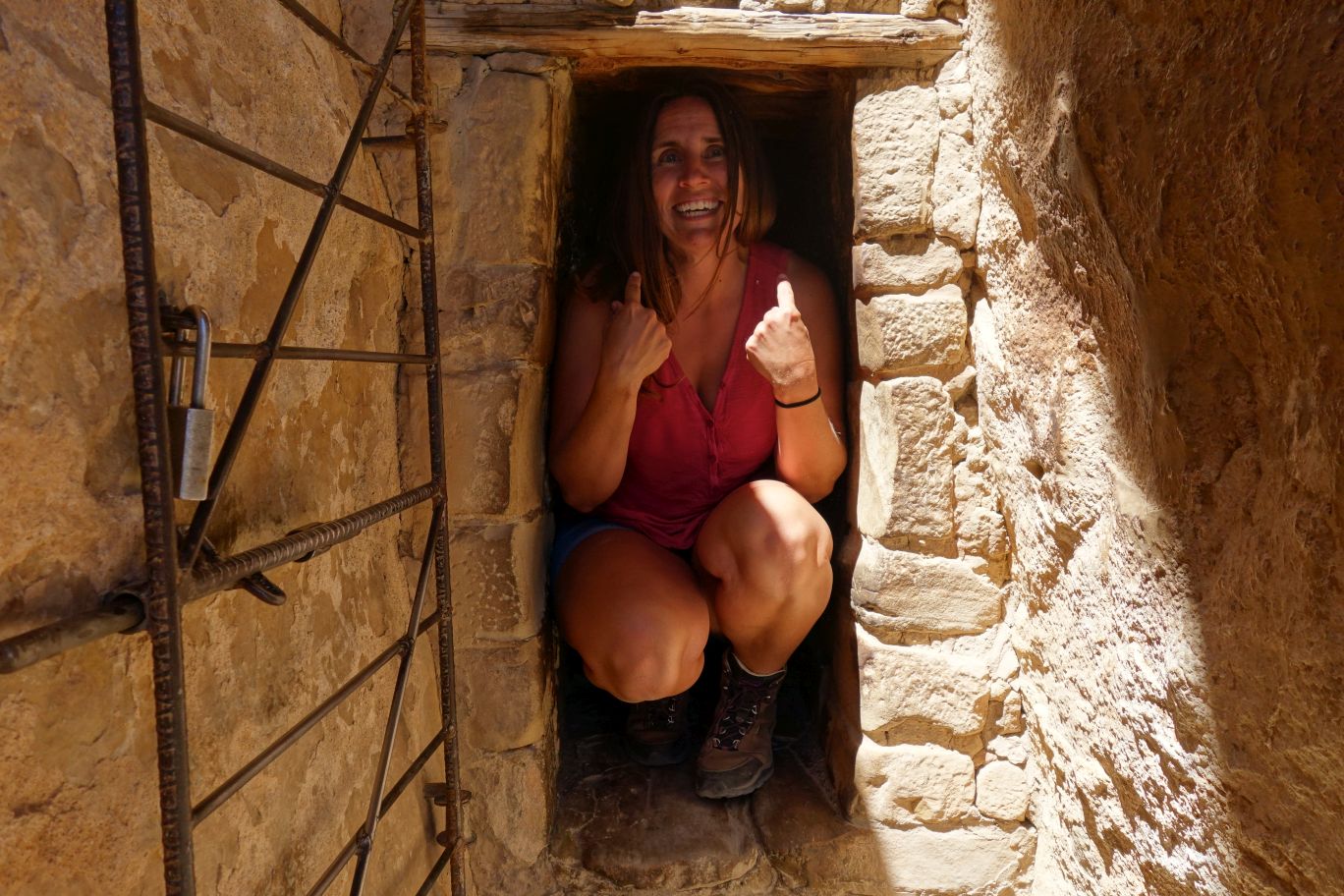
Whereas I, obviously, had no problem whatsoever making it to the other end. Short people for the win!

That’s how it looks. Not really that bad of a squeeze once you get past the initial part. This was another good reason to be last in line. No unwanted people in my pictures!

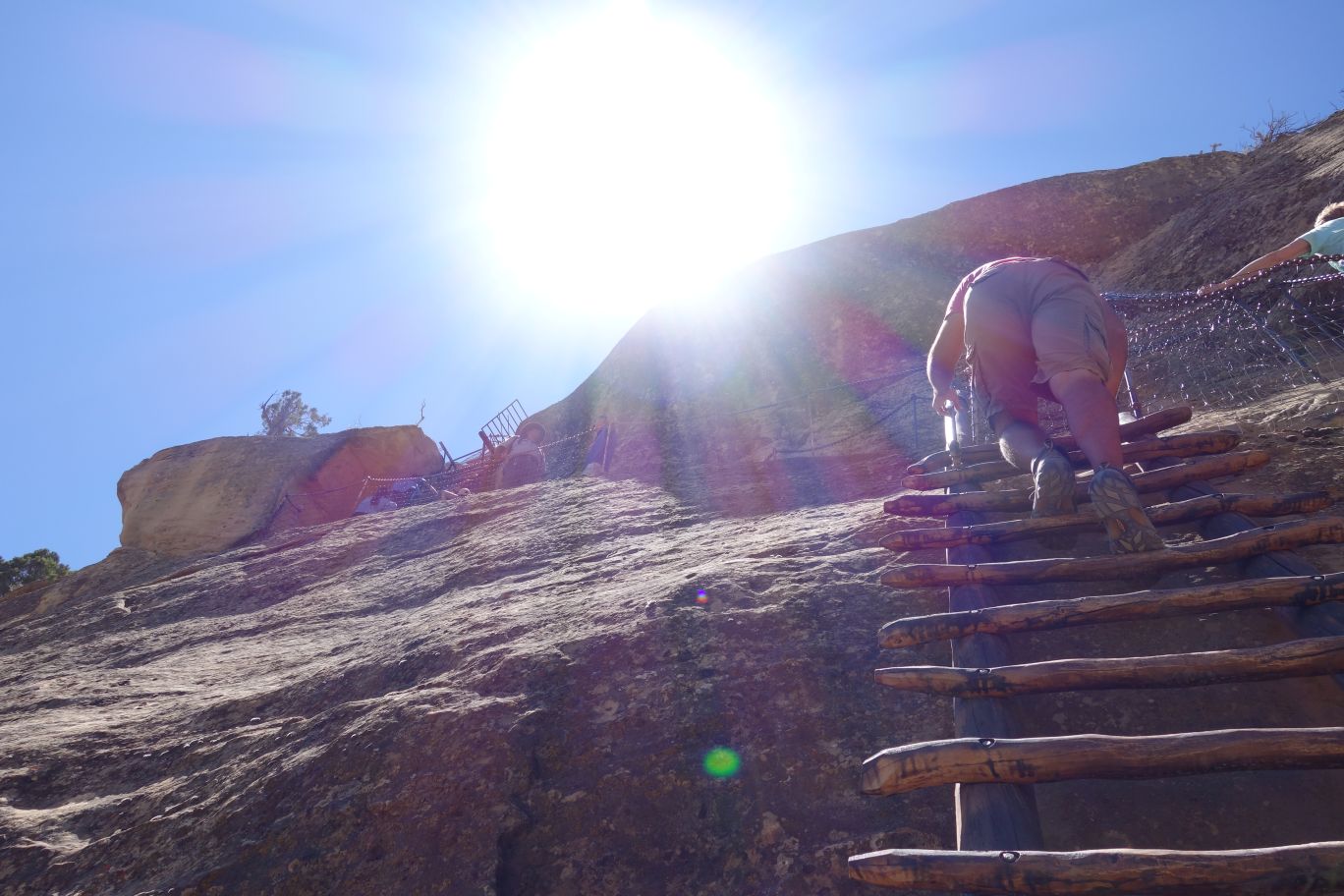
More ladders to climb up.
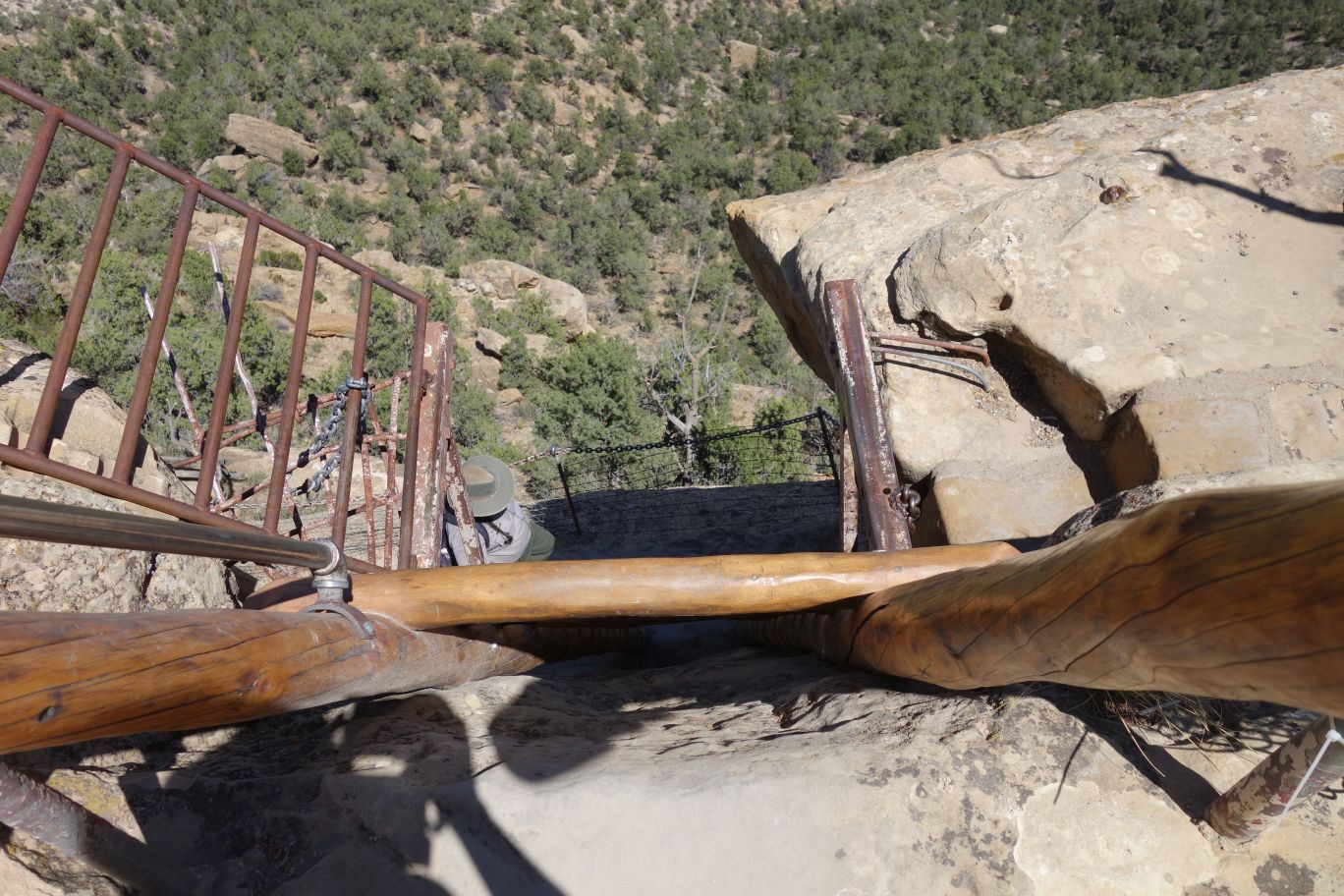
Don’t fall down that one. It’s a lot way down.
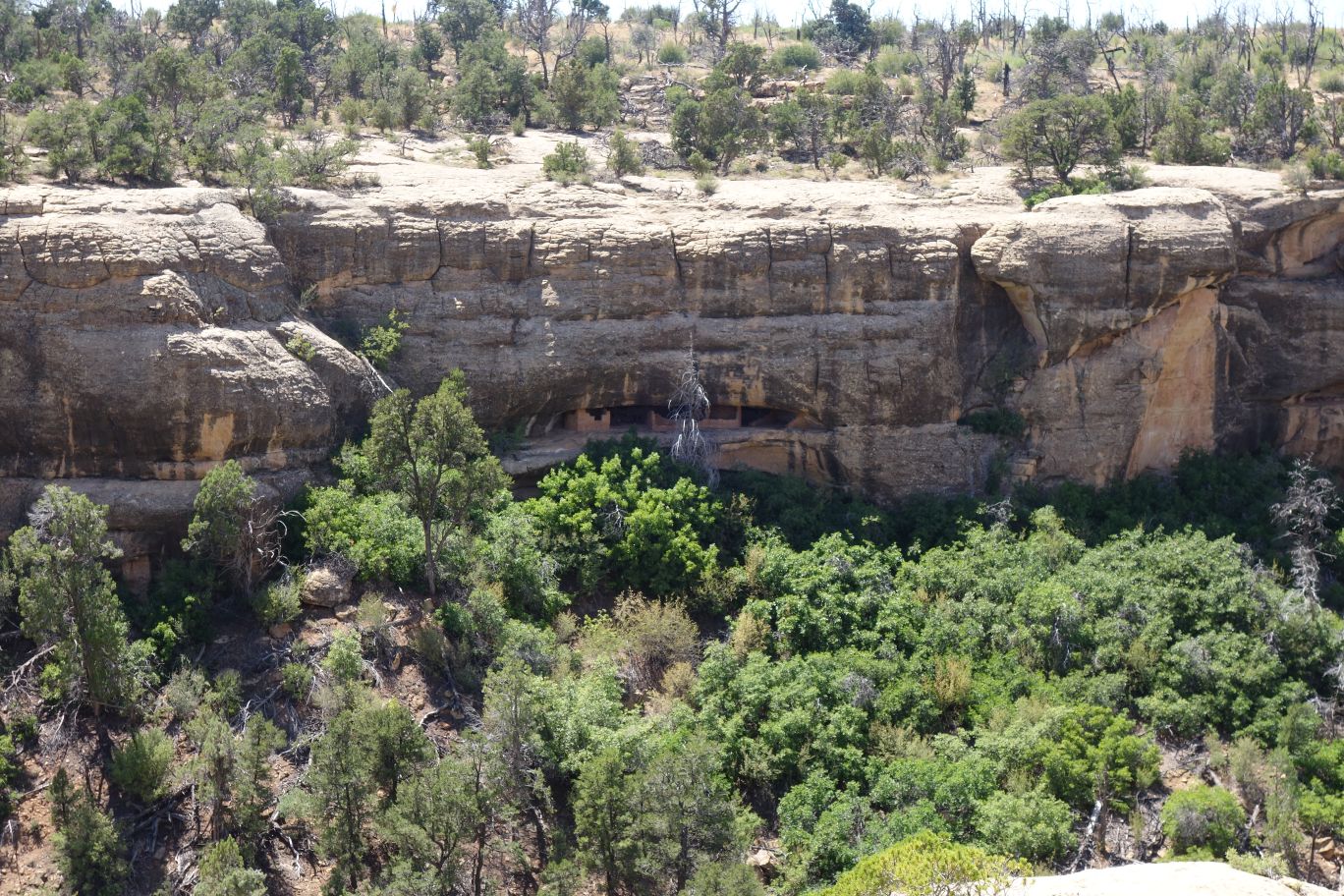
We drove to the next tour area, the biggest cliff dwelling, and waited for our tour to begin. There was a nice little viewpoint area where we got to take pictures of other cliff dwellings across the canyon. These ones aren’t available for tours and are pretty much natural from how they were found.
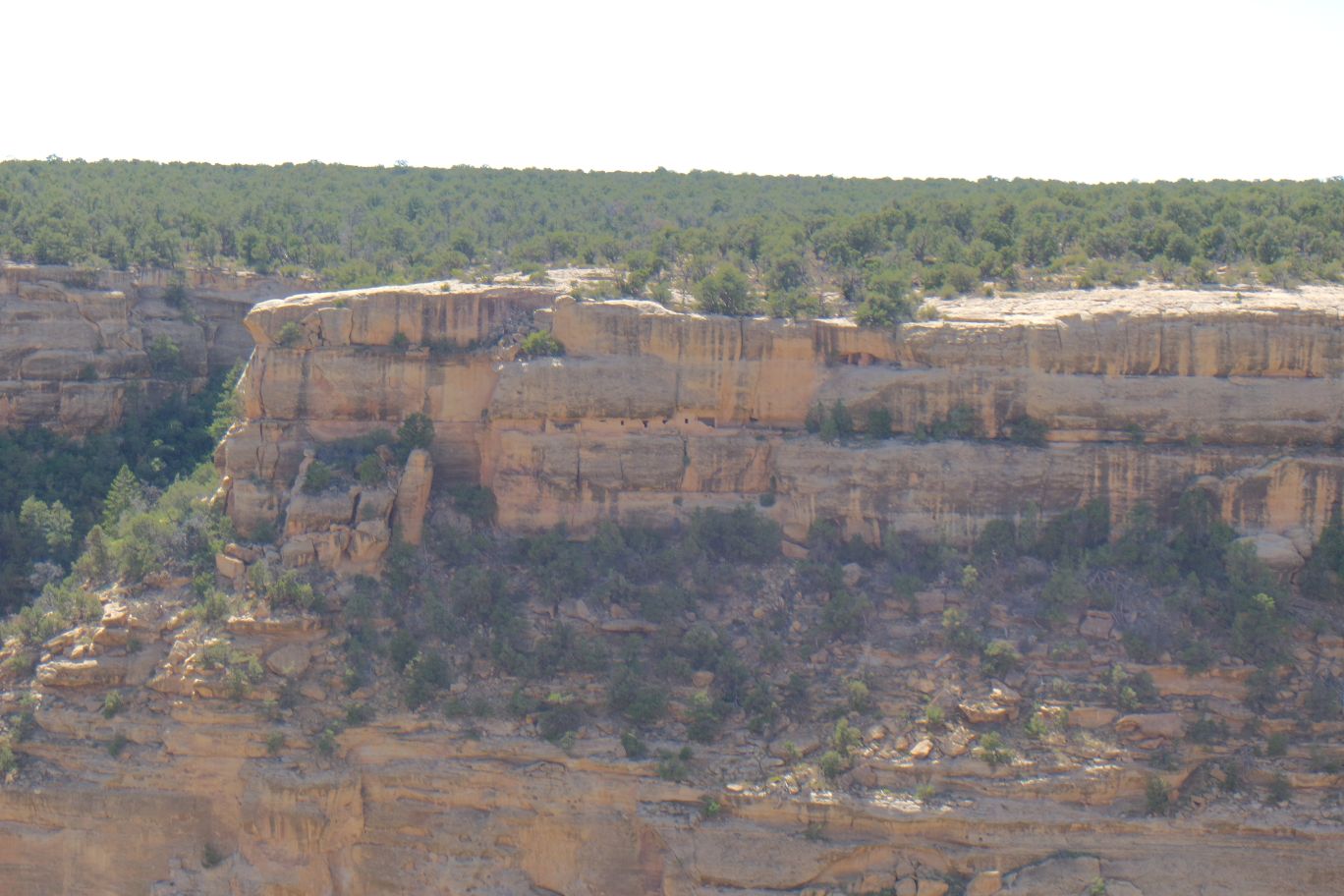
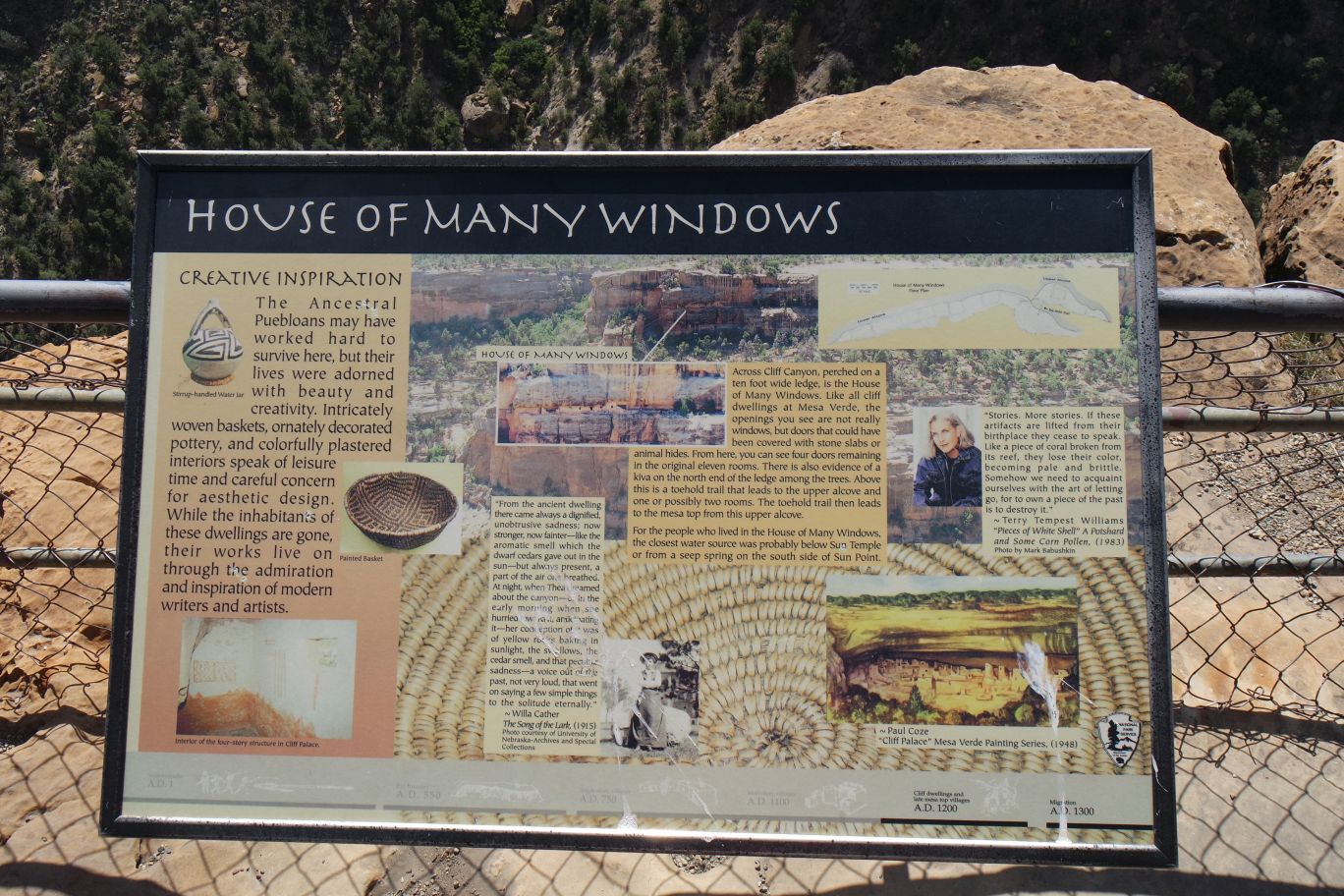
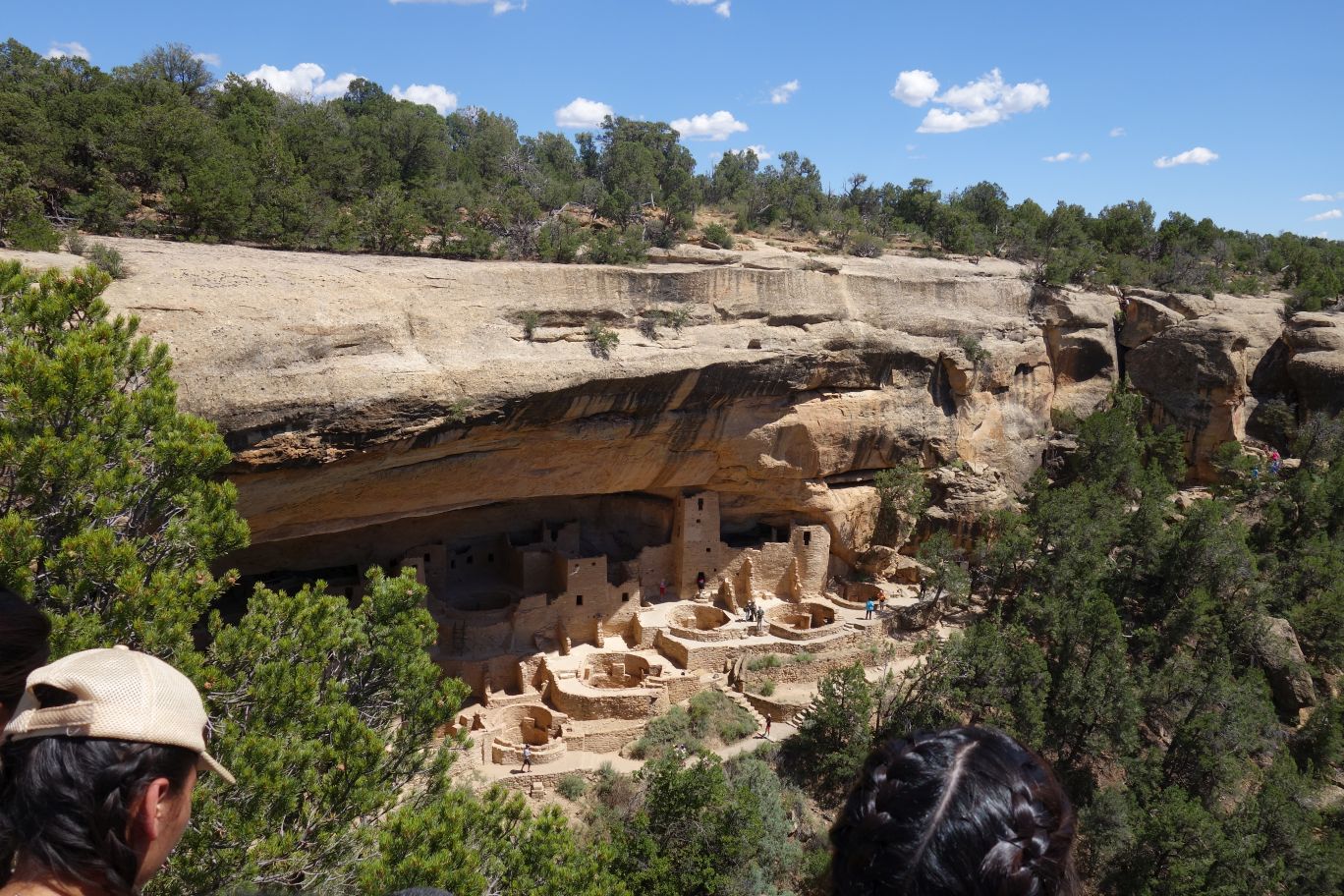
That’s what we’re going to see.
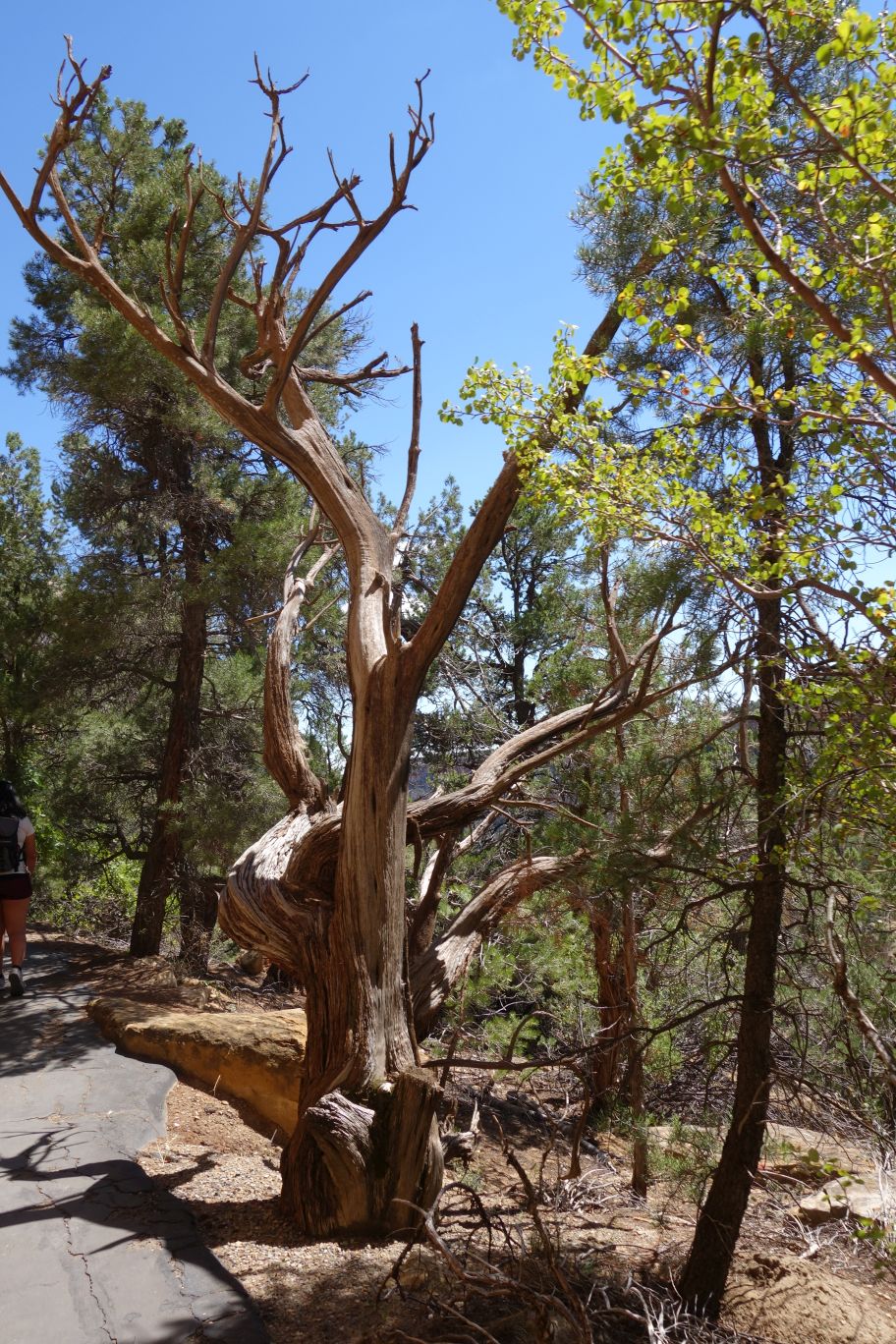
Our tour guide finally arrives and it’s a white guy who is just full of himself. He starts off by telling us how he’s worked at national parks for decades and decades and he’s seen so much and done so much and blah blah blah. Also, he’s good friends with Native Americans that have come on this tour and they have taught him so much about these dwellings…while he talks on his tour, apparently…and he just knows so much about all this because of his Native American friends.
I want to bring Grandpa B out here and let him listen to this guy. He’d get a kick out of it. He’d also probably, nicely, correct this guy about a lot of his assumptions.
I like these. Not sure why.
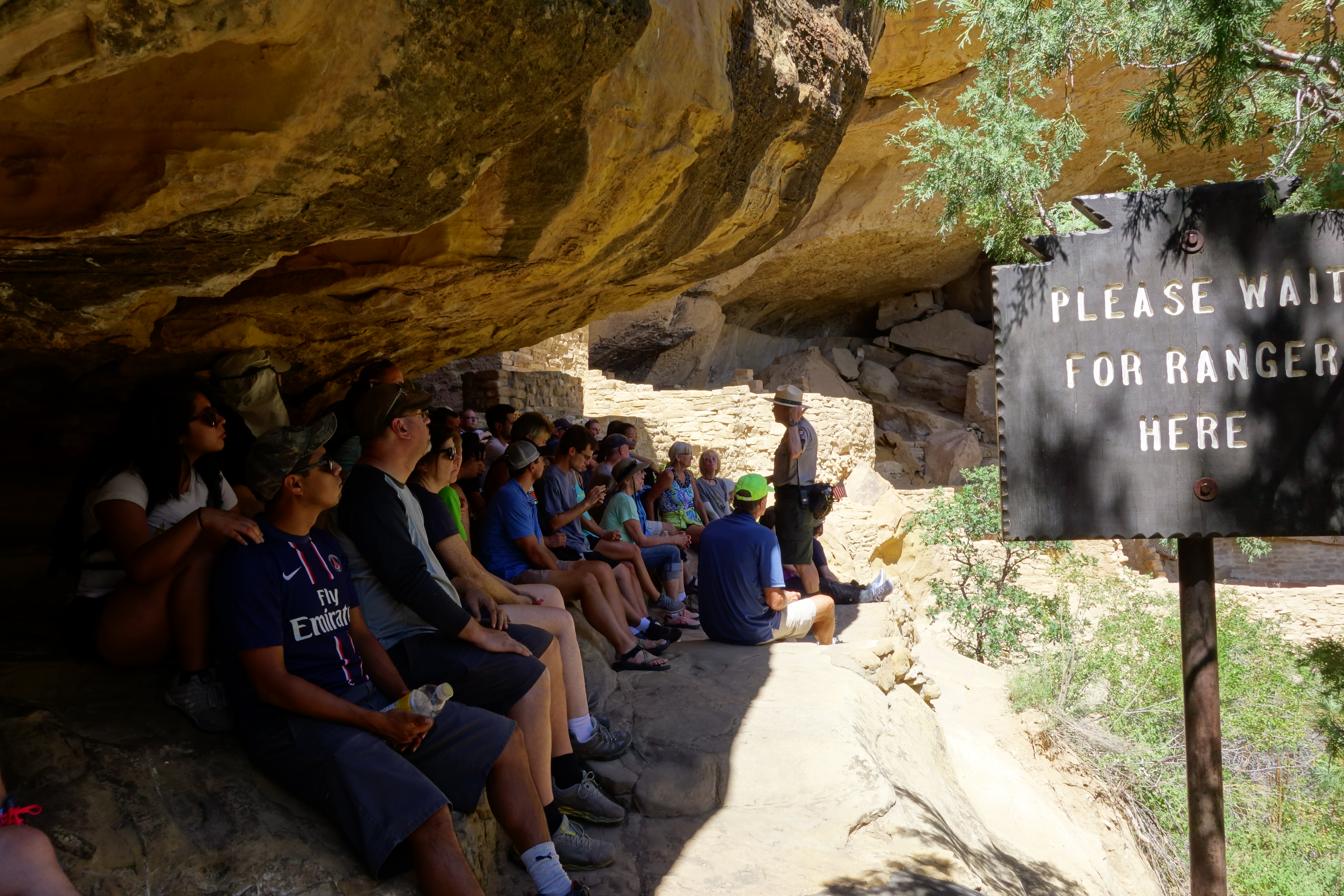
Getting lectured on how he makes friends with all the Native Americans on tour.
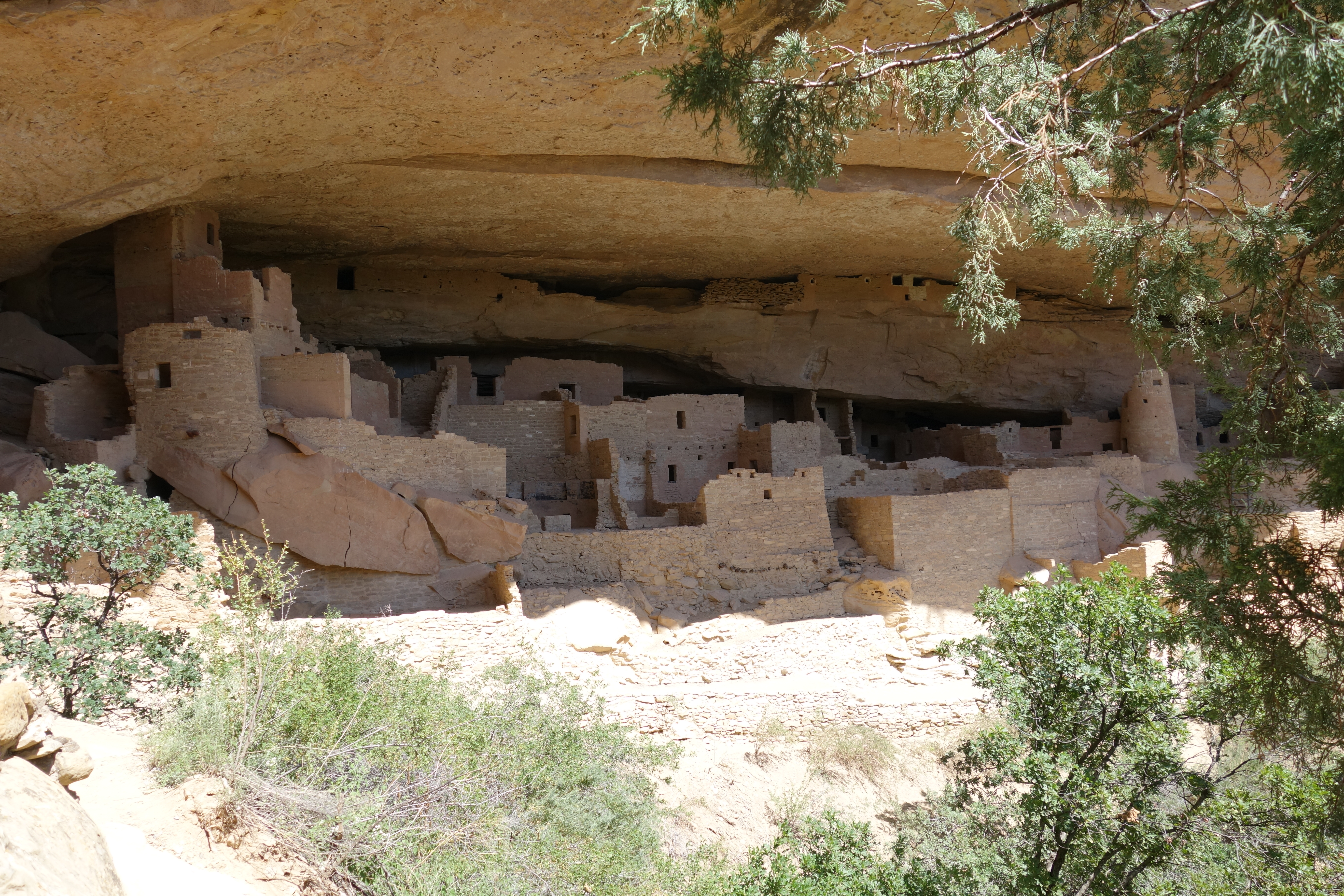
This is a city. As far as back-then times are concerned. But really. For building in a cliff cave…this is pretty impressive.
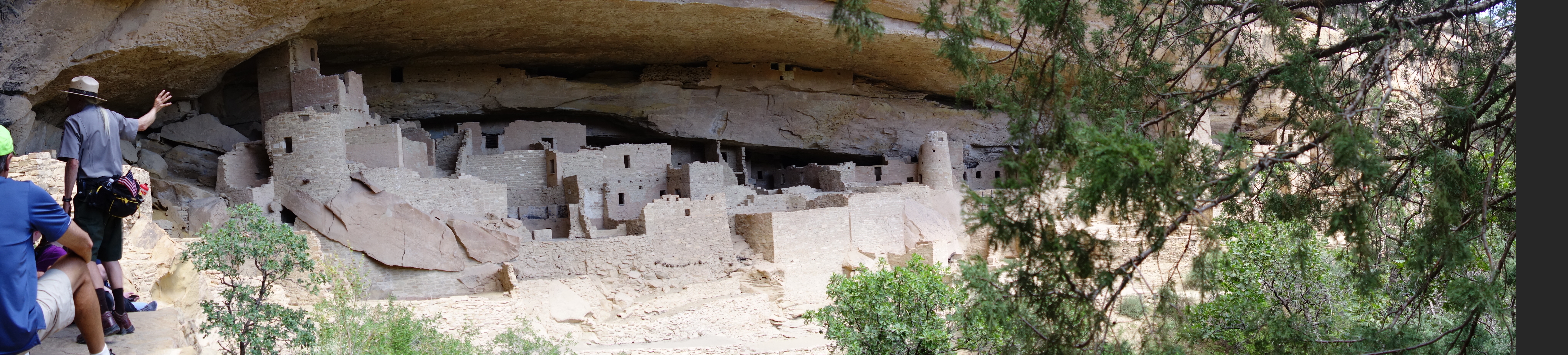
He went on and on about how it’s so mysterious that the people living in these cliffs just up and left one day. No one knows what happened or why; they just packed up their things and left.
It’s not really that mysterious. It’s true no one knows exactly why, but there’s a number of good reasons: their population grew too large to stay in these areas and farming isn’t that great here either – they would need to find somewhere with more land to grow more crops to support more people. There’s also evidence of disease spreading, which could have caused them to make the decision to up and leave. Given that the Pueblo Tribes that exist today are all descendants of these people, and that they all lived in areas where farming was easier/they had more land available to farm on, I’d say it makes sense.
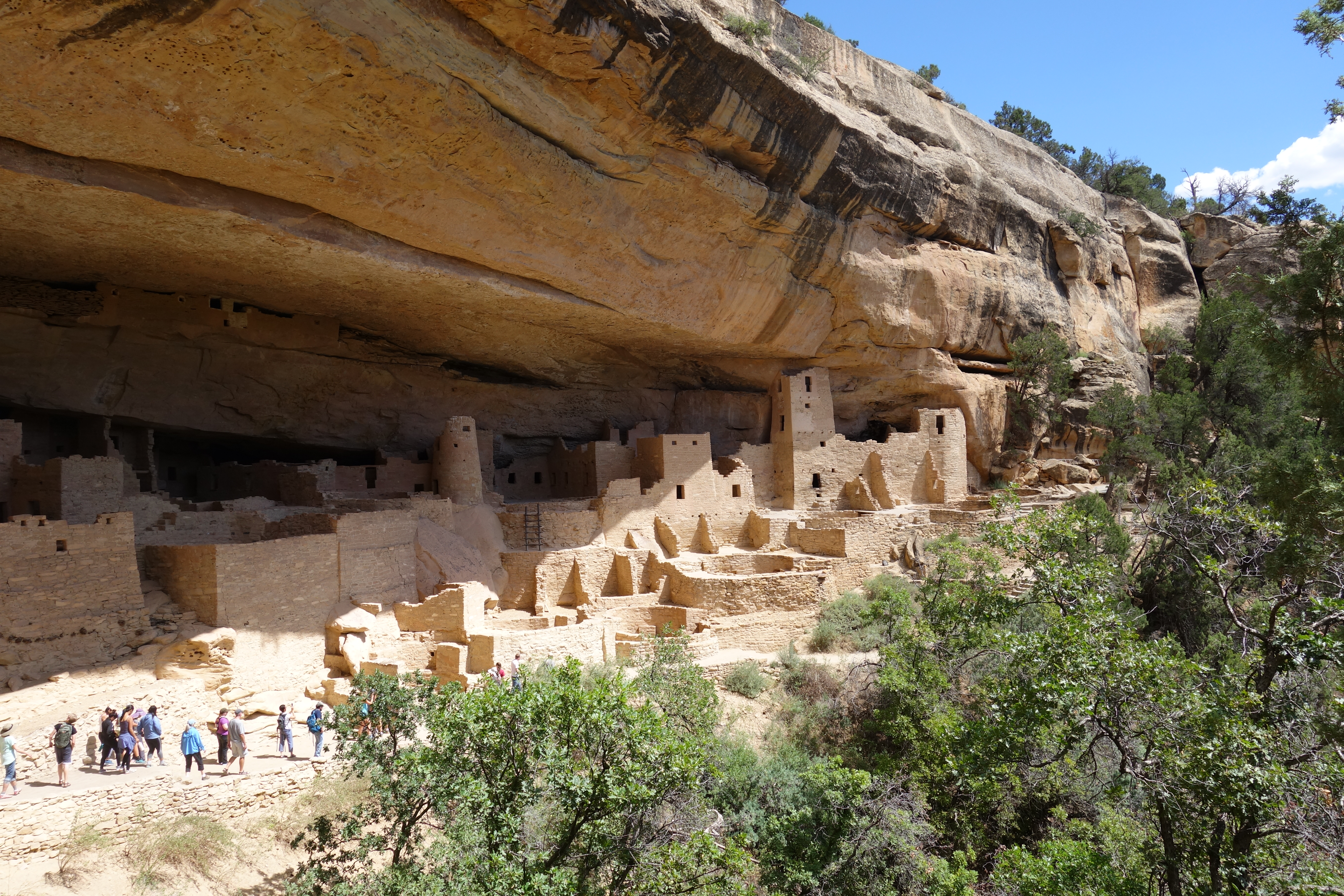
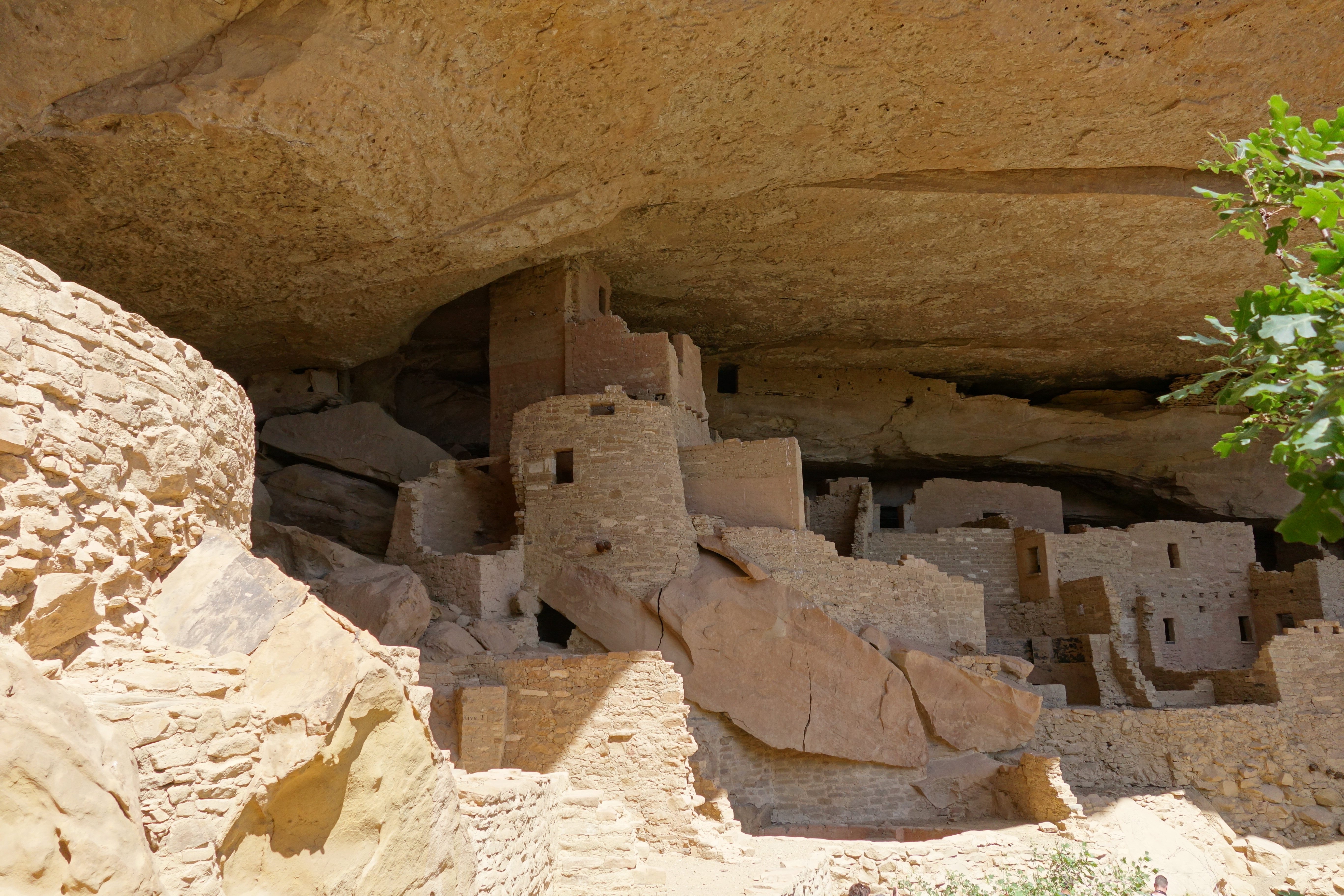
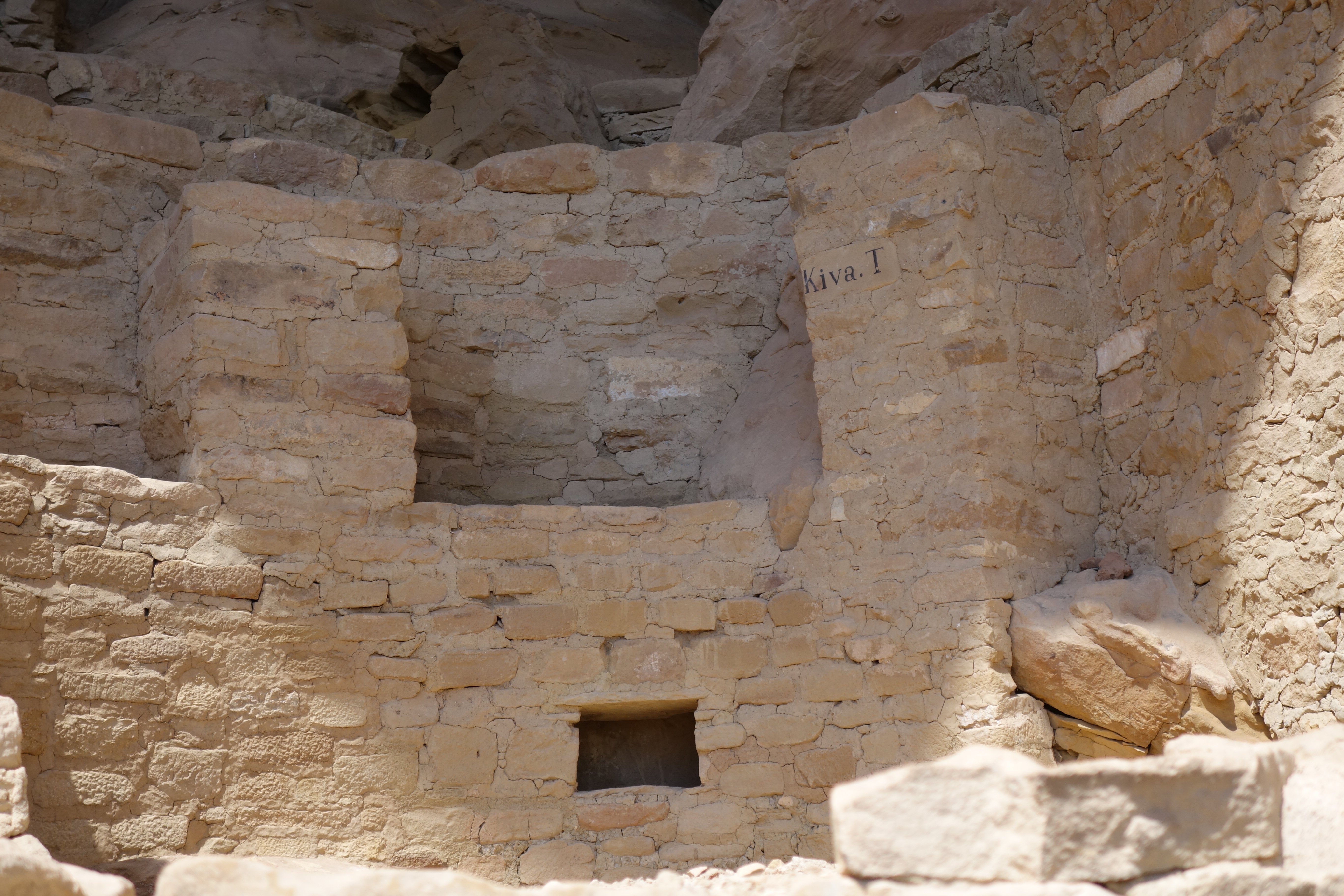
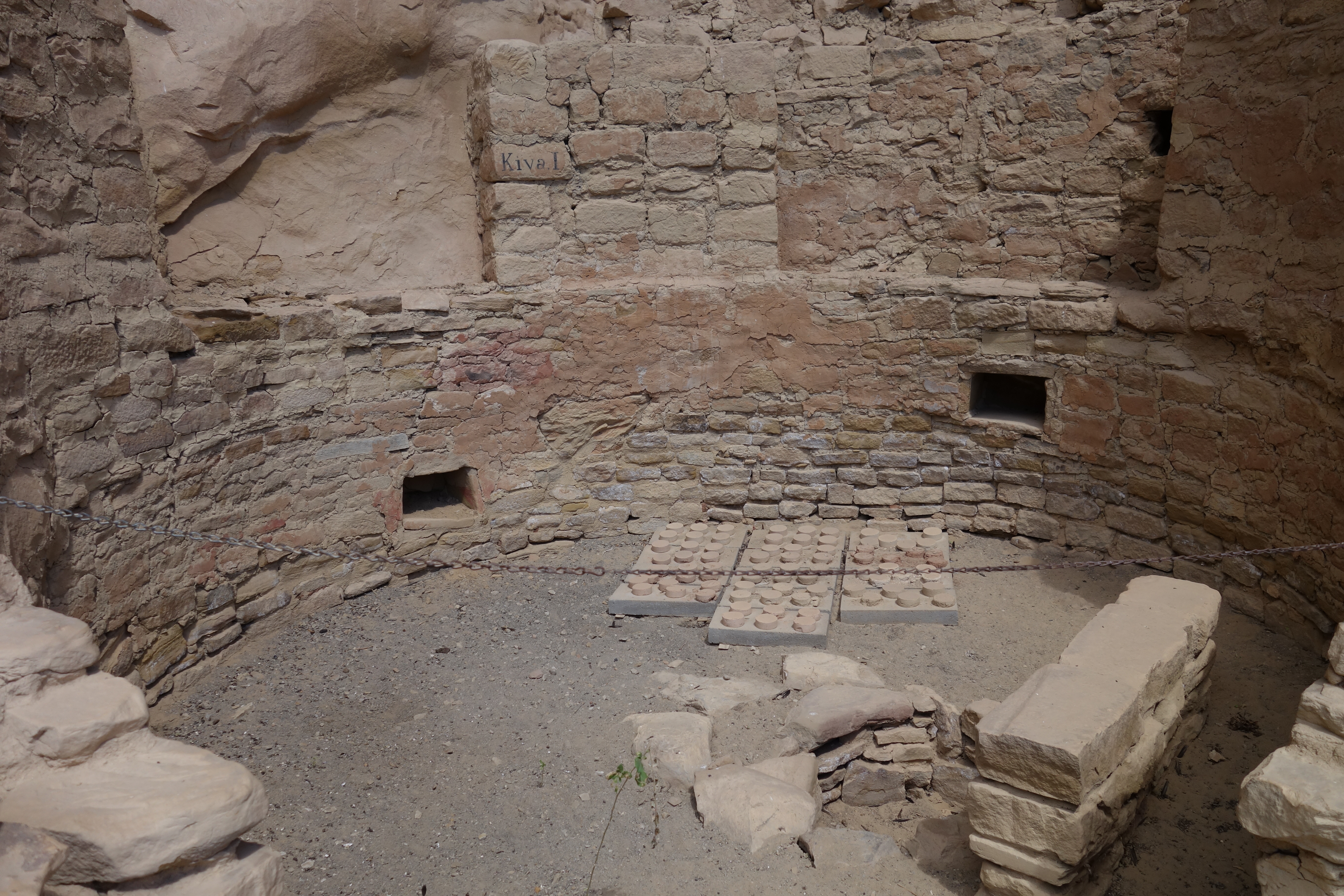
Apparently they had giant legos in their kivas here. I bet the kids in the other cliff dwellings were jealous of the kids who had their religious rituals here.
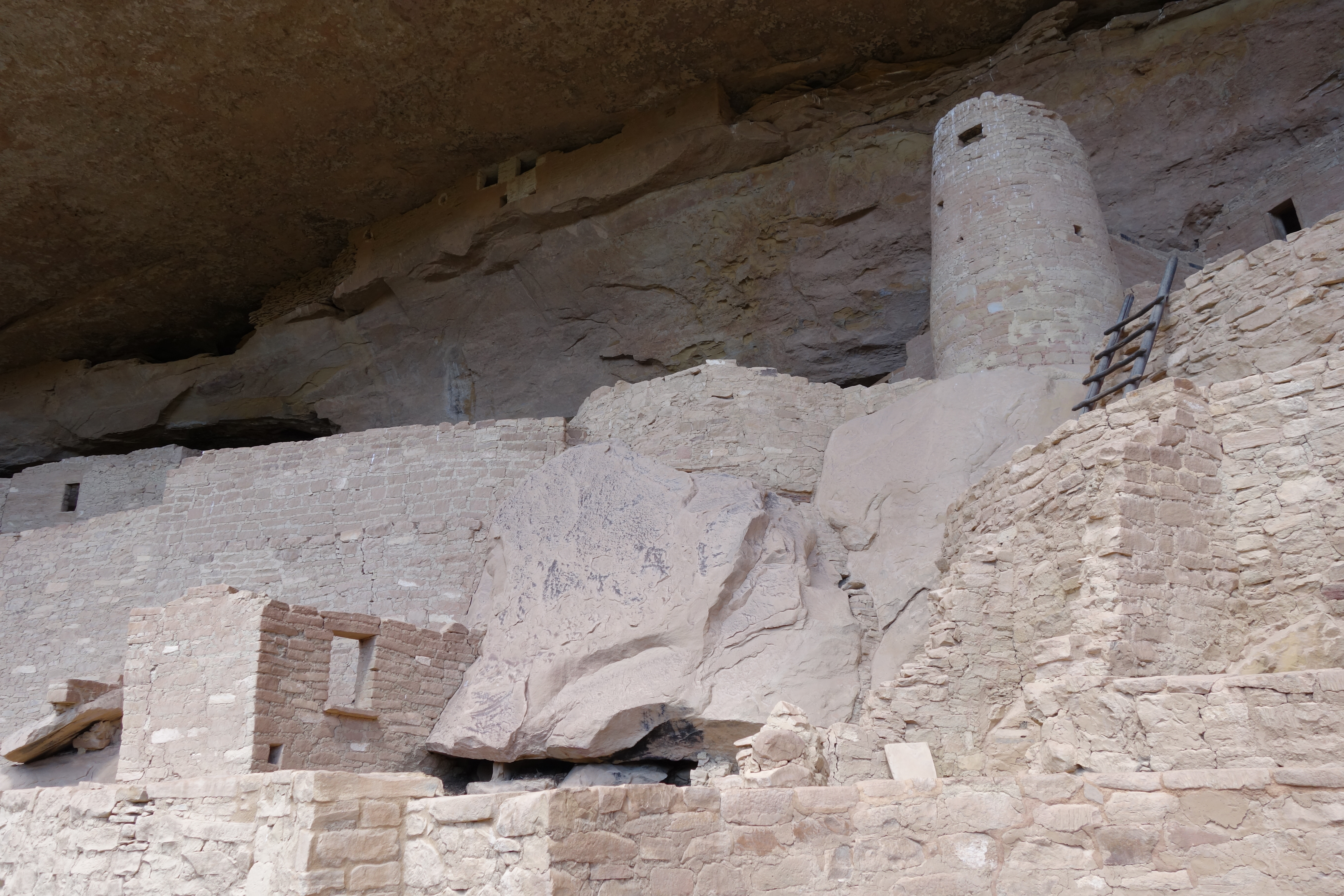
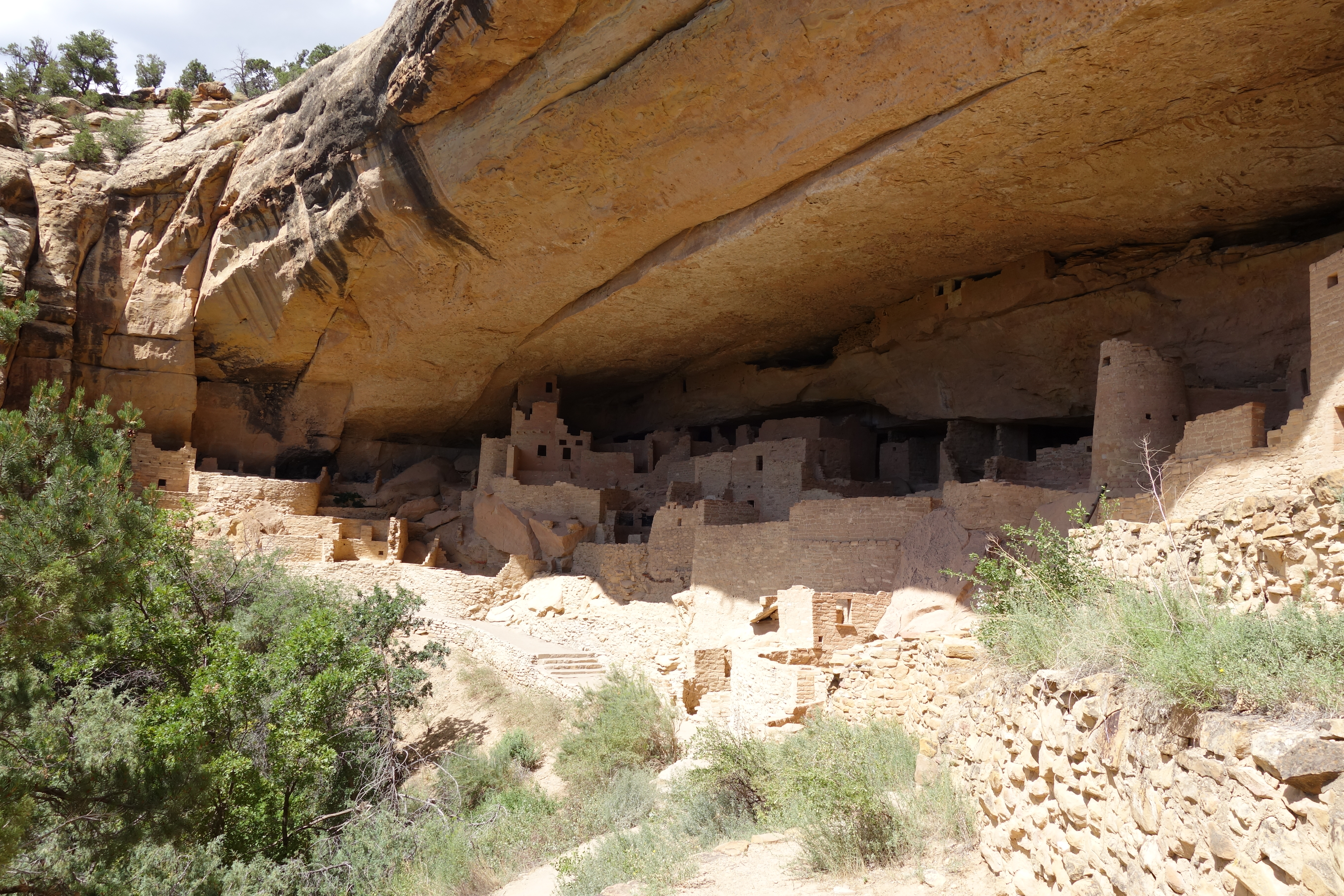
The tour consisted of a walk along the path on the outside of the buildings. Glad we didn’t walk through. I’ve already told enough people to stop touching things.
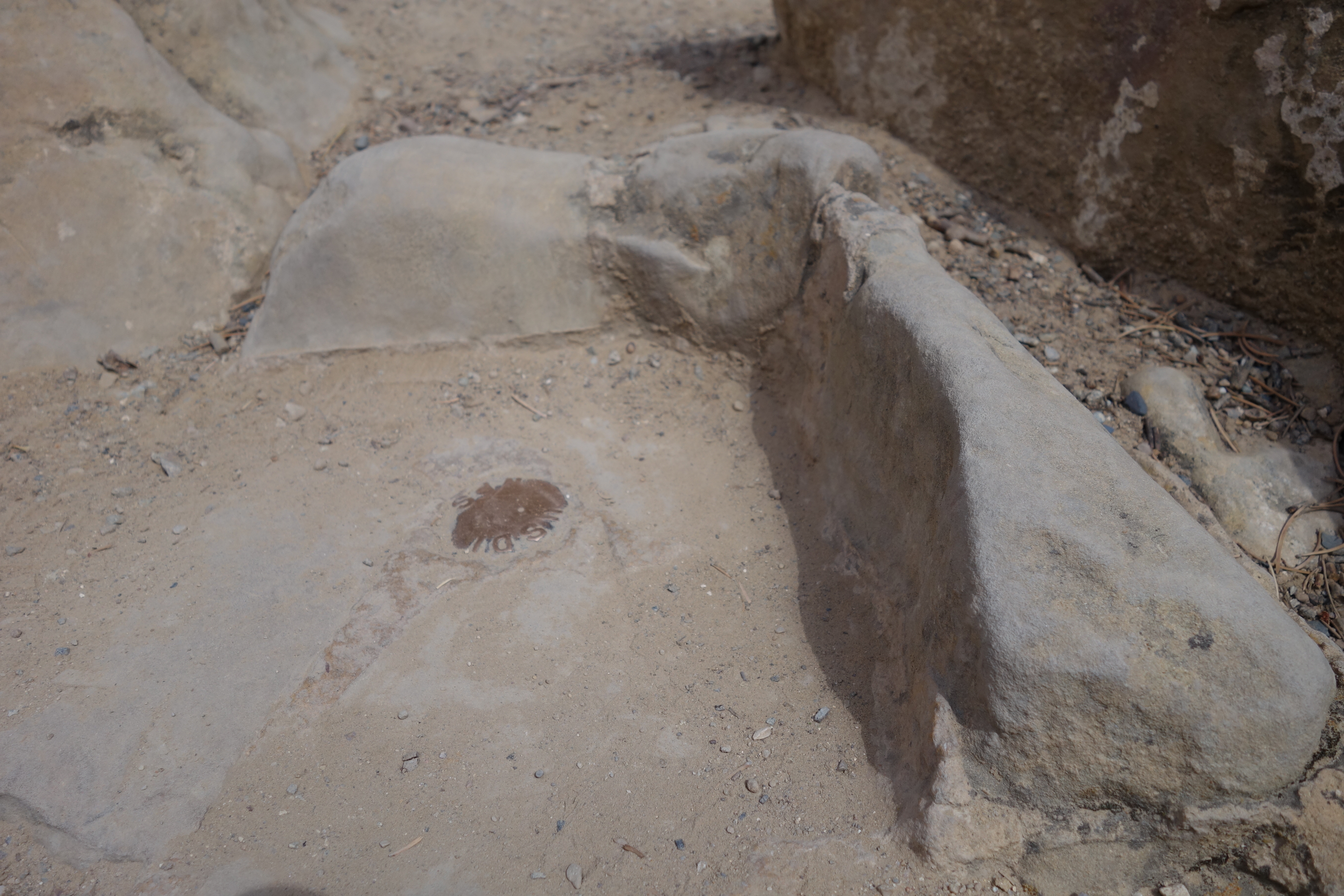
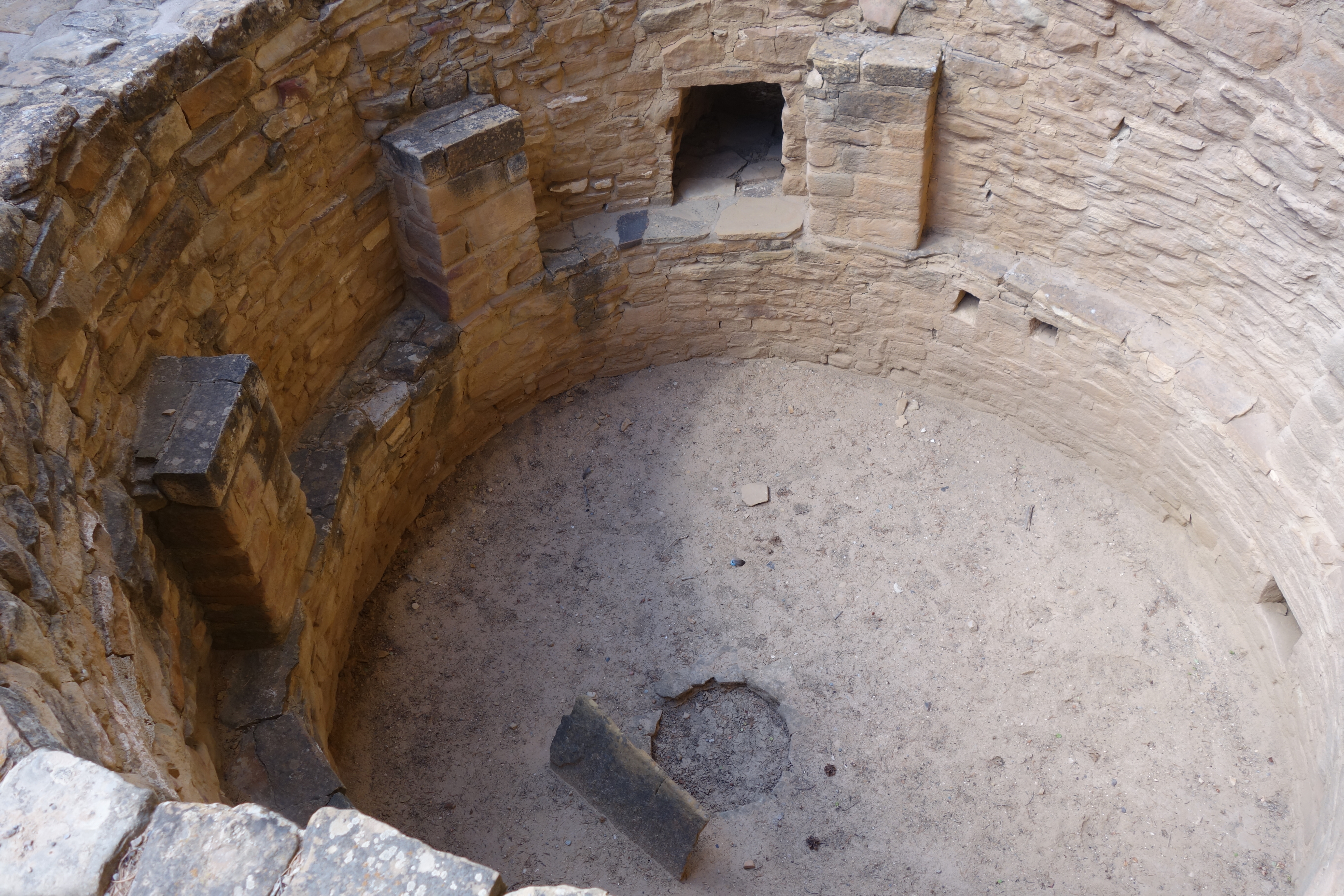
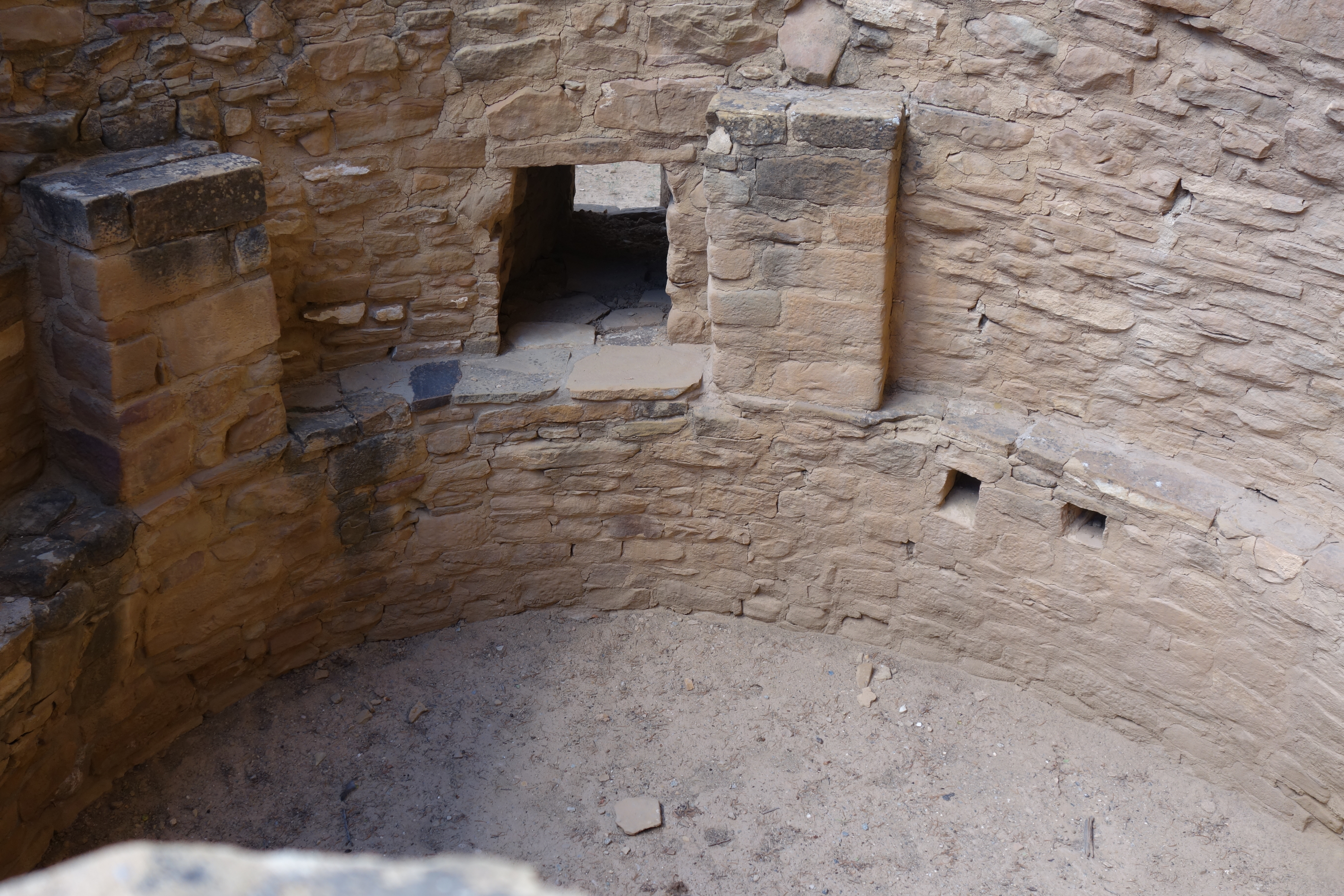
You could climb through these holes/entrances from kiva to kiva here.
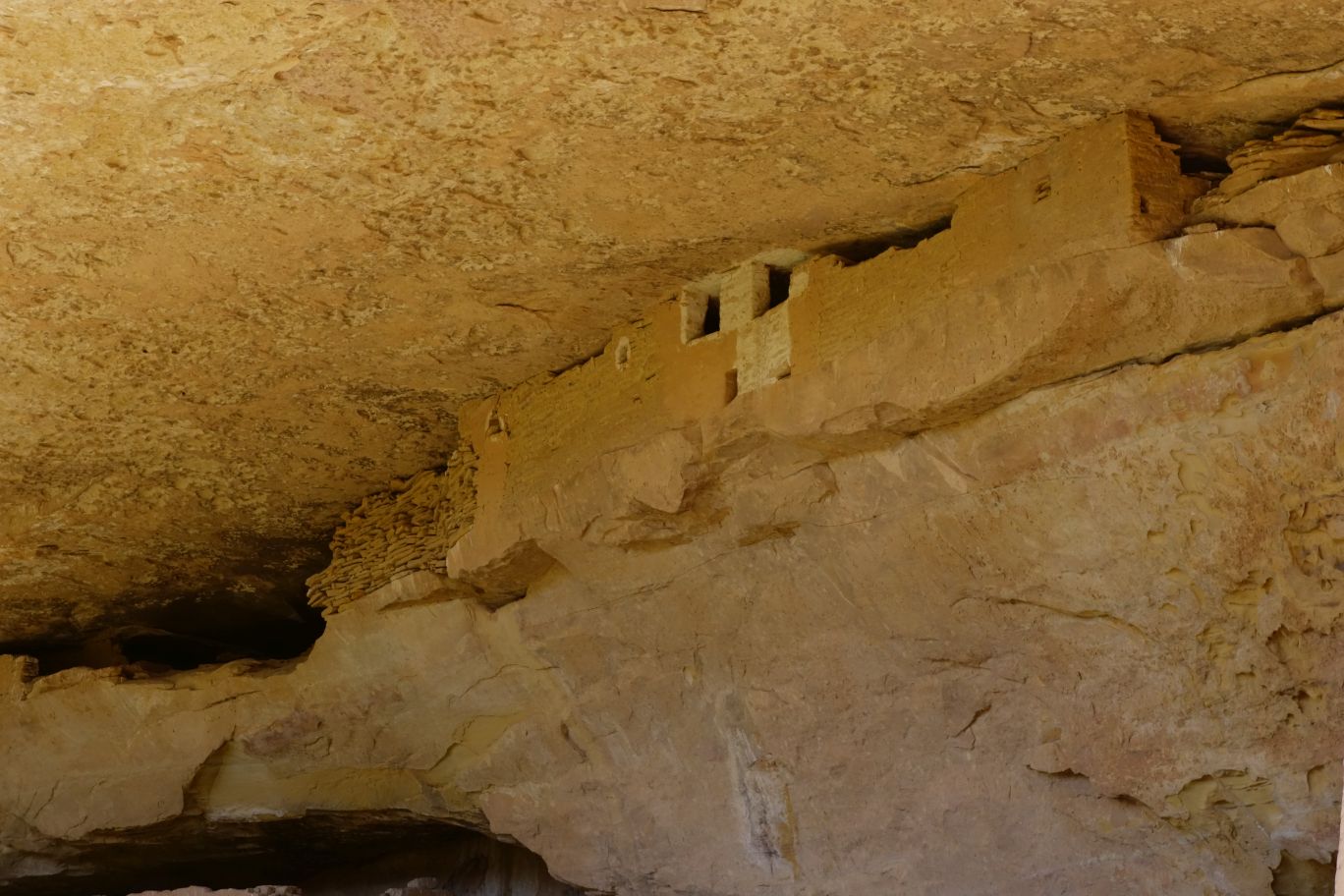
This was above the main dwelling area. They used this for grain storage. Pretty damn cool and clever.
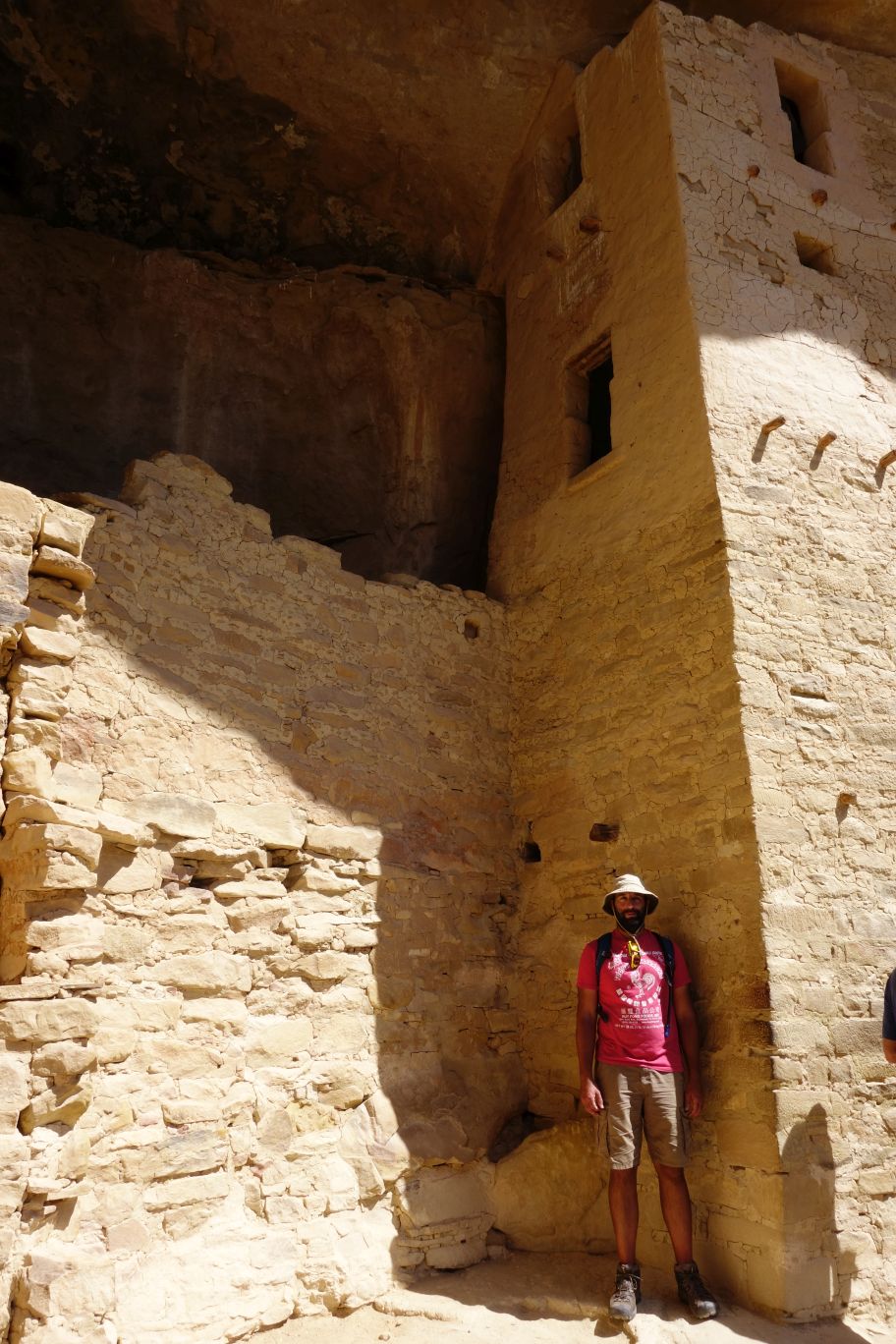
Multi-story housing. JA for reference.
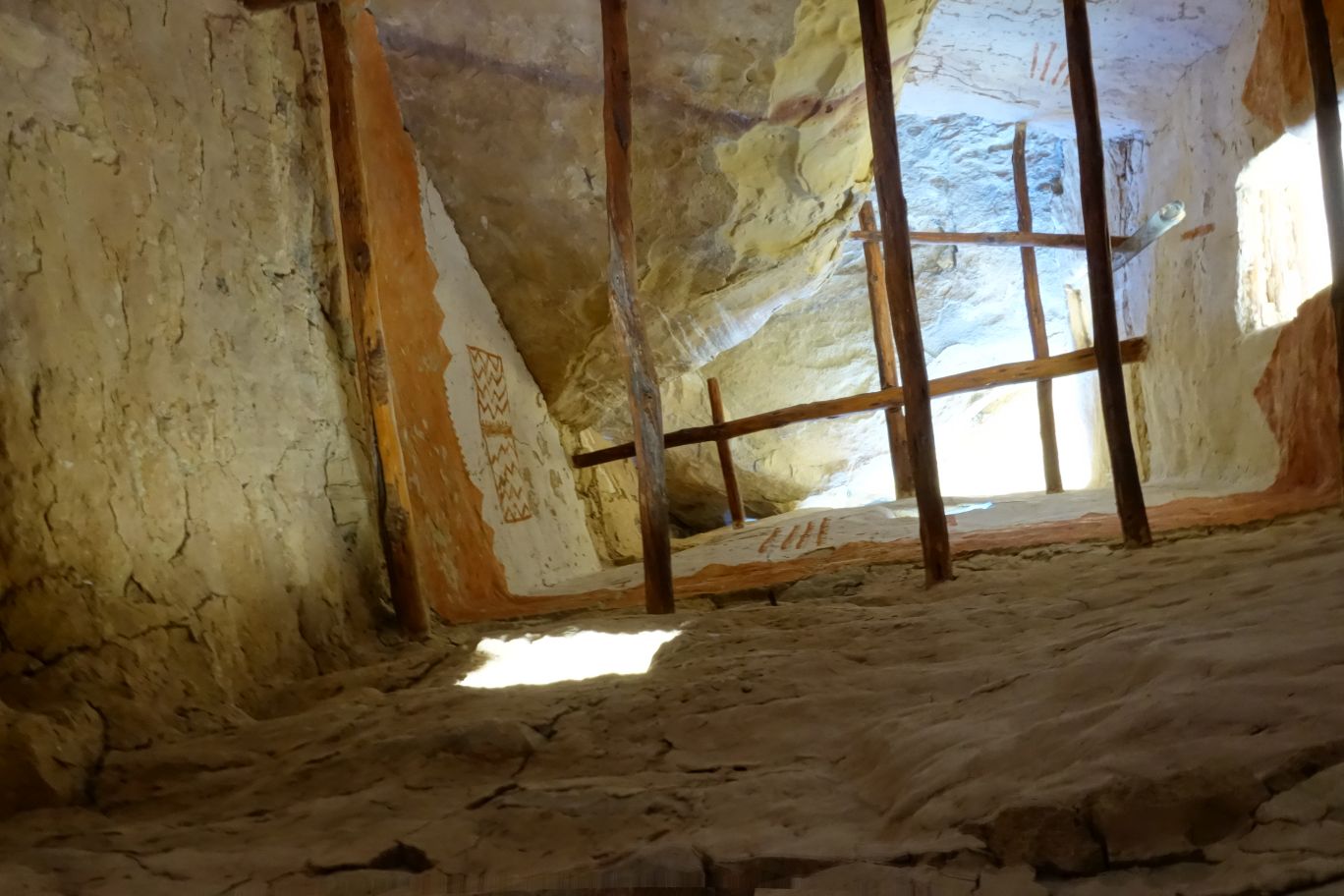
Same building, inside. We were allowed to stick our heads in and look, but not climb into, this building. The images are the original ones the inhabitants left, preserved because they won’t let people climb around in here.
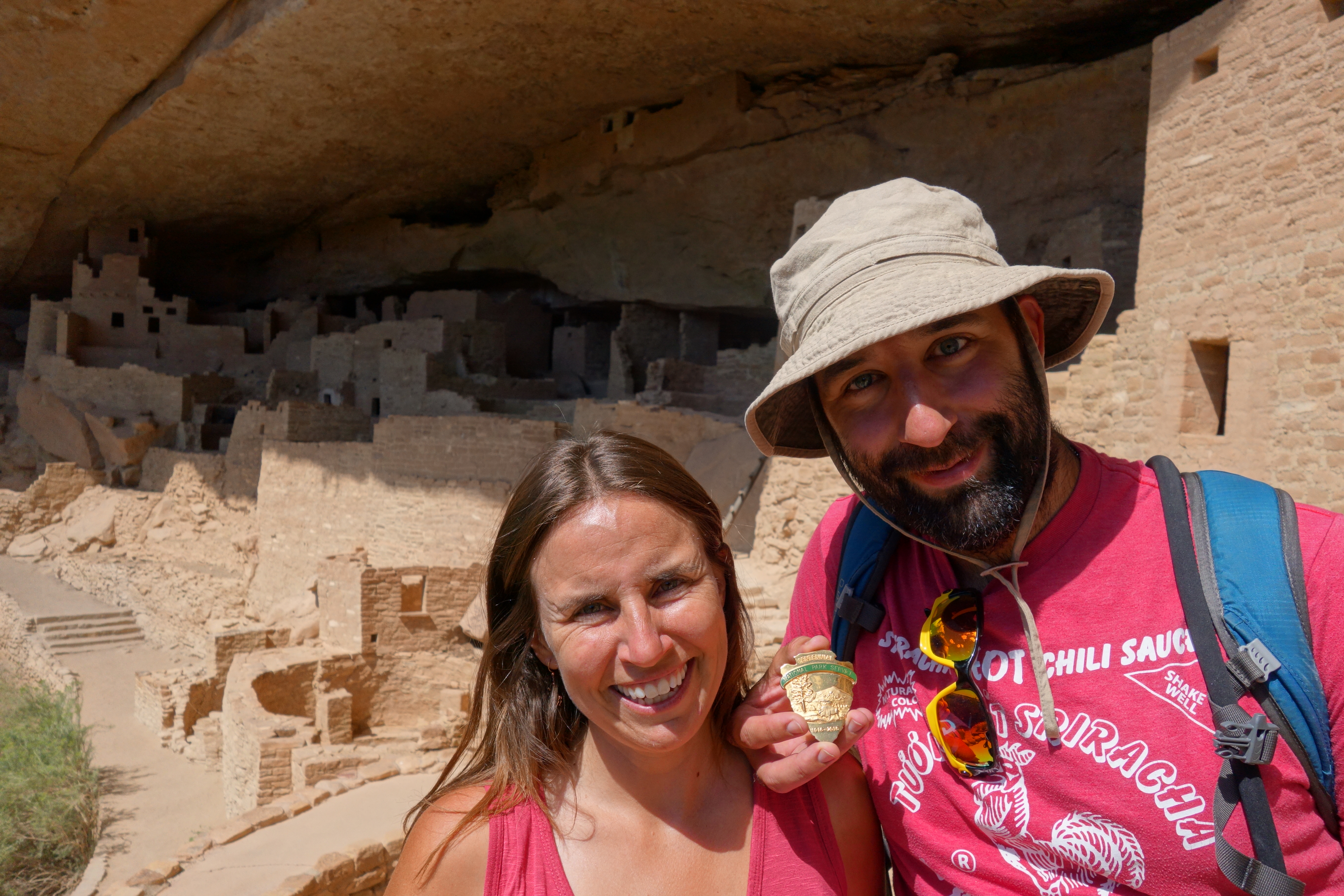
So our tour guide was especially proud of his 100-year celebration badge. He so generously allowed all of us on the tour to take a picture with it. Aka…he made all of us – everyone on the tour – form a line so he could make us take a picture with it. We tried our best to not look too amused.
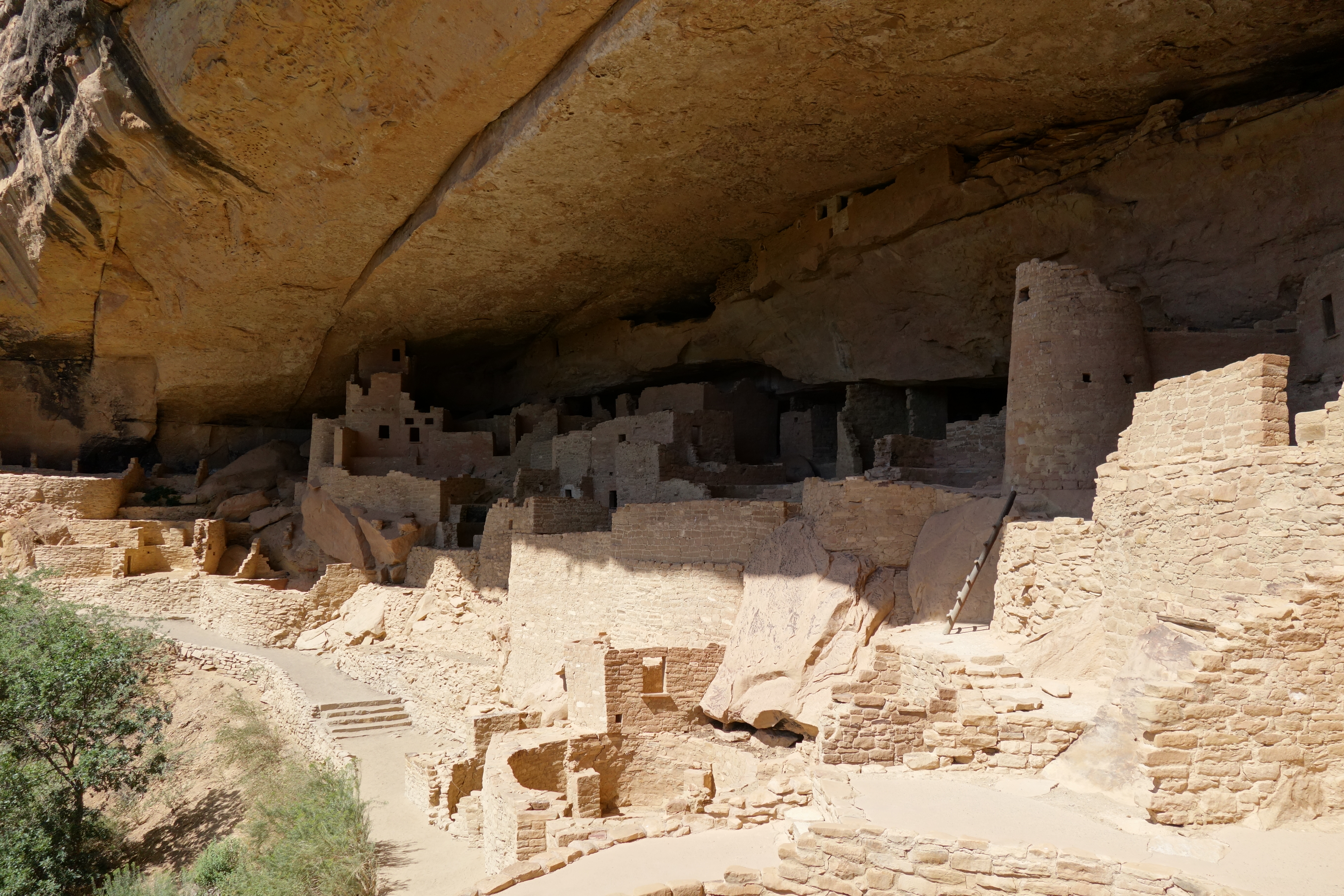
One last look. Despite our tour guide (bless his heart), this was a great experience. It was neat to walk around here and see it all up close again.
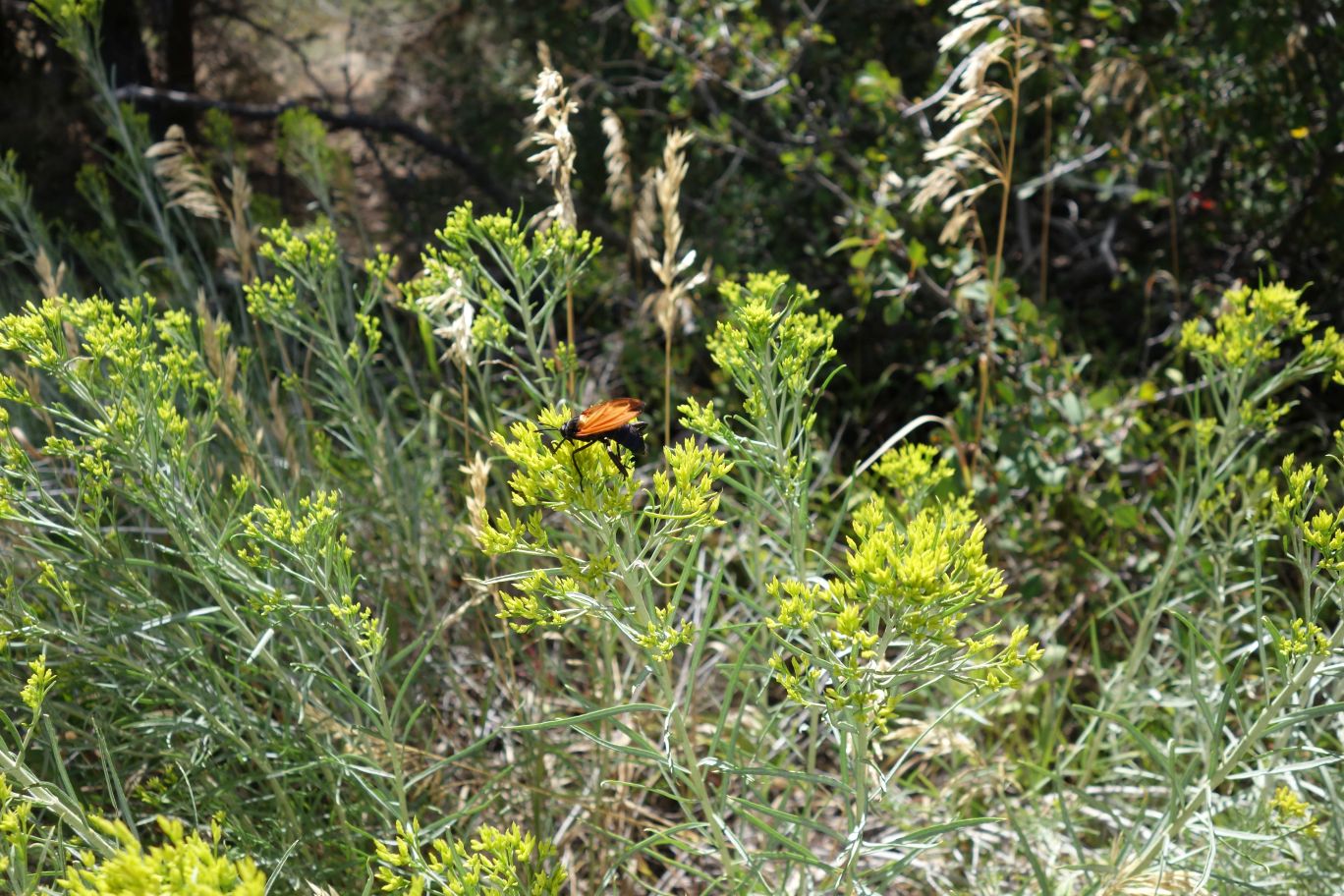
Loving the desert as I do, I also think these things are freaking awesome. She was just hanging out, waiting to kill tarantulas.
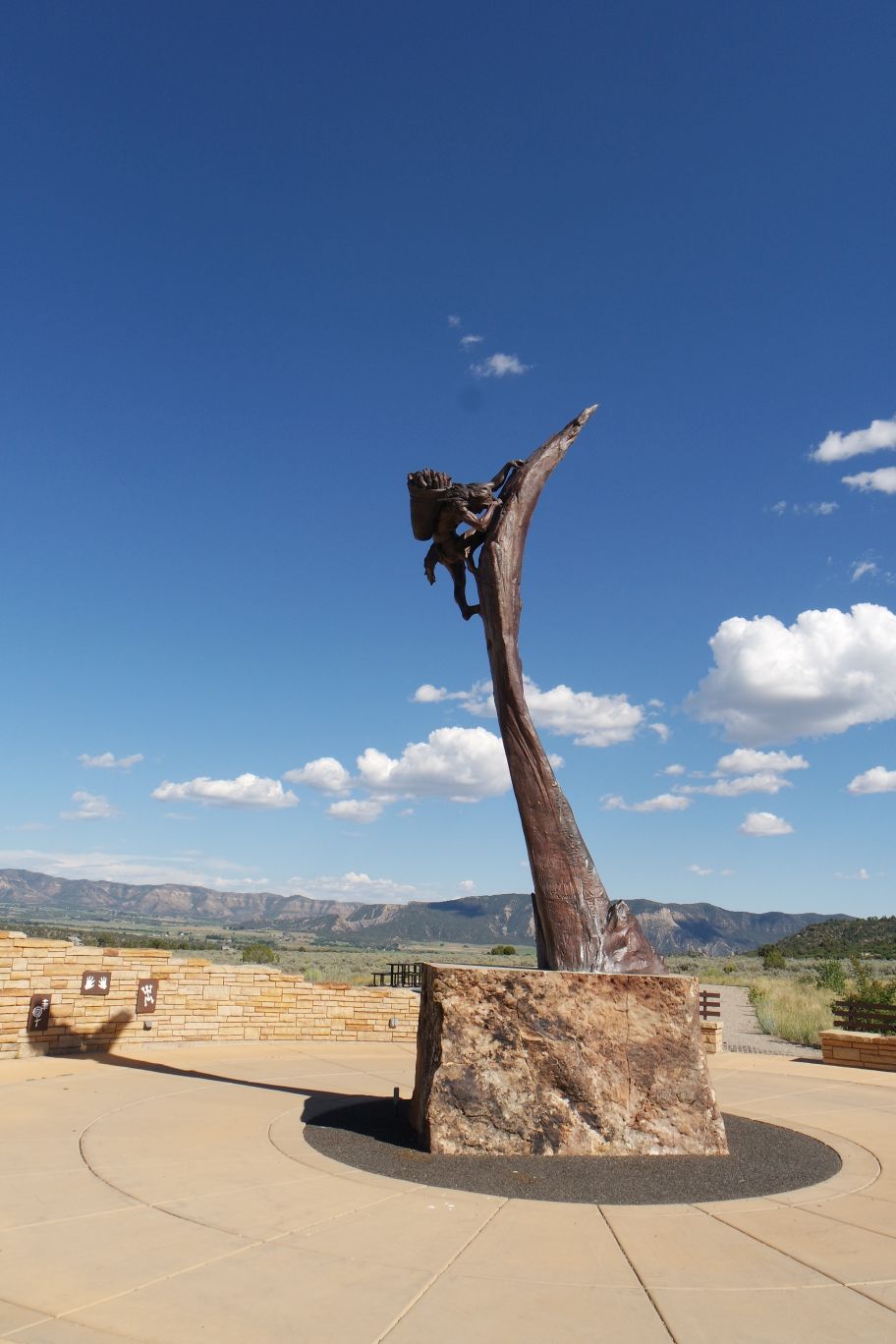
This is a pretty neat statue at the visitor center. It does a great job capturing the way the Anasazi climbed to and from the cliff dwellings.
With this, we left the national park/elevation sickness tour for a bit. We made a brief stop in Durango for a fun shop visit before driving down to NM to stay a couple nights with my folks and eventually head back to Texas.
…that was a lot of driving.